
Judy Singer and Neurodiversity
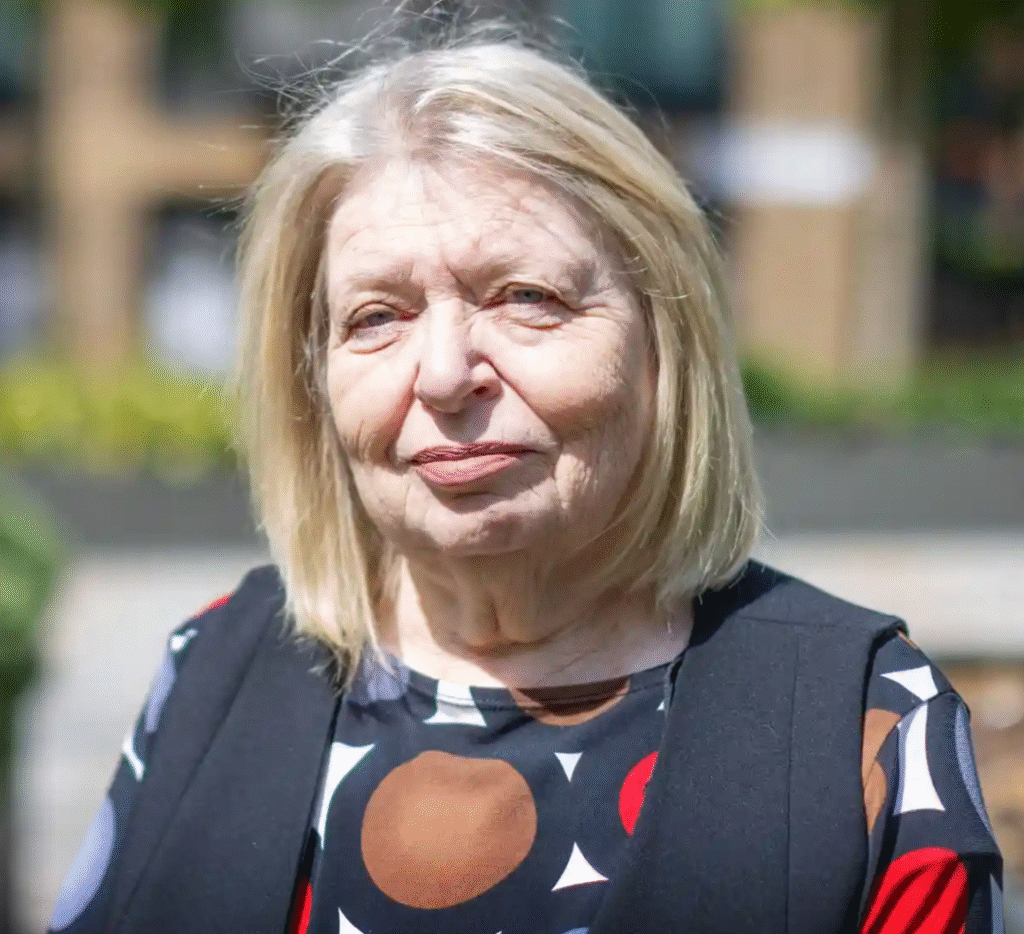
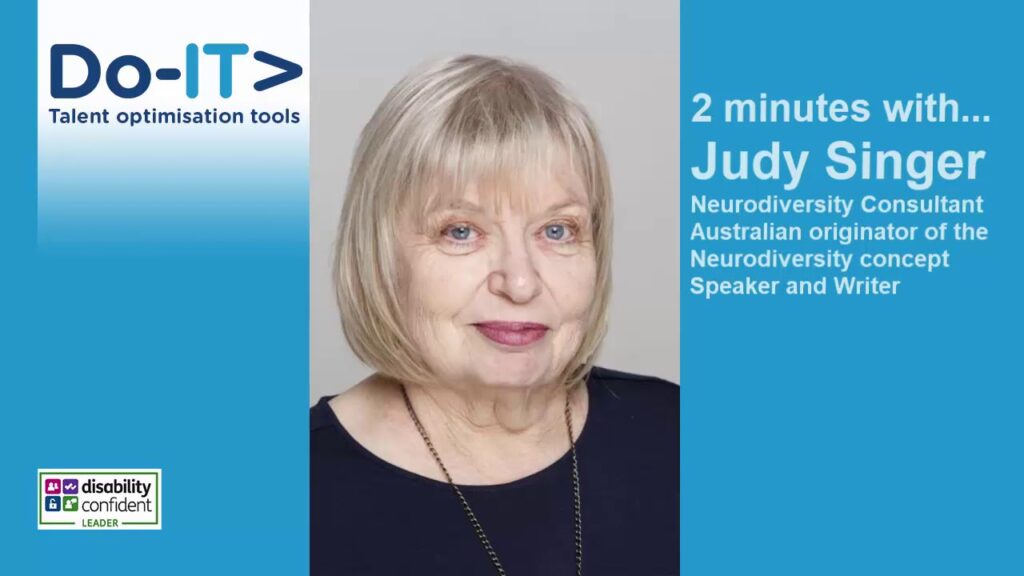
Judy Singer and Neurodiversity: Judy Singer, an Australian sociologist, is widely recognized for coining the term “neurodiversity” in the late 1990s. Her work has significantly influenced the understanding and acceptance of neurological differences in educational and professional settings. This article explores the evolution of neurodiversity, its implications for professional development (PD), and provides practical examples to illustrate its application.
Understanding Neurodiversity
What Is Neurodiversity?
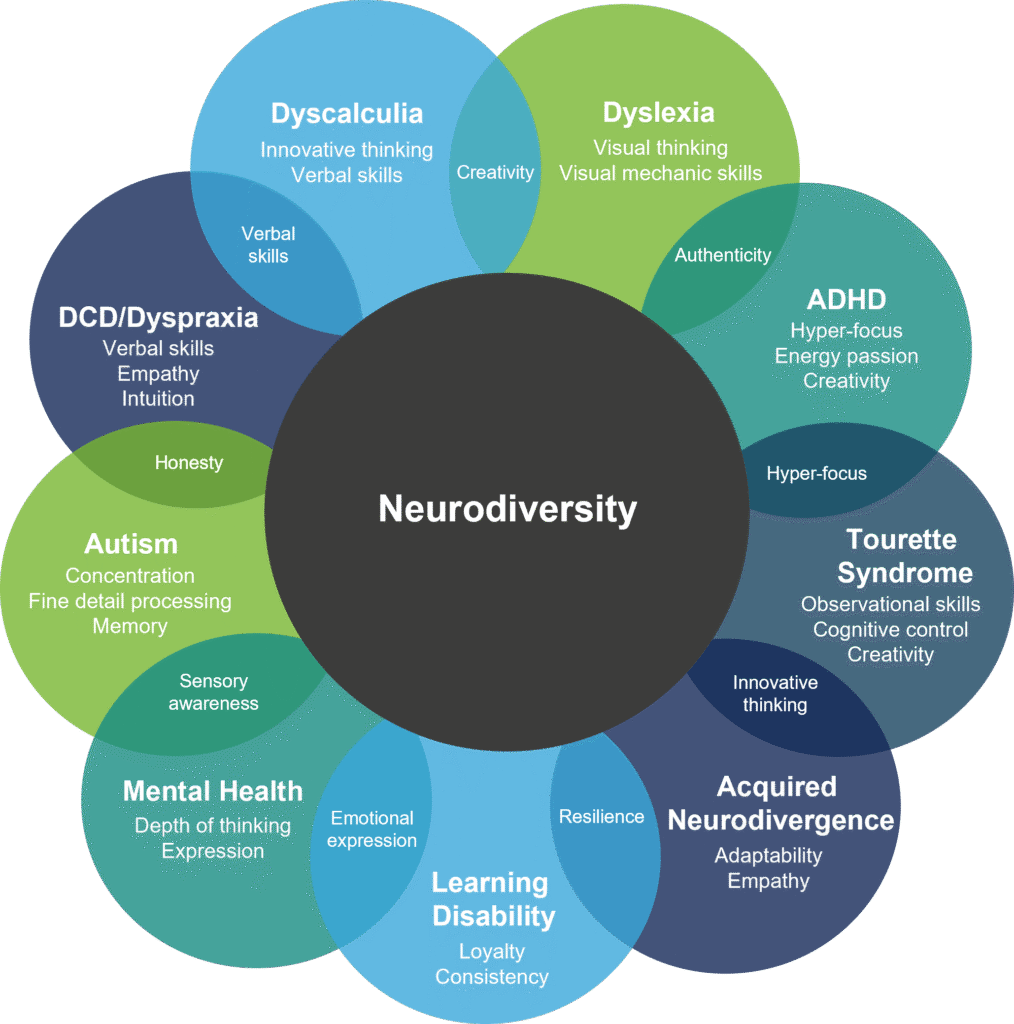
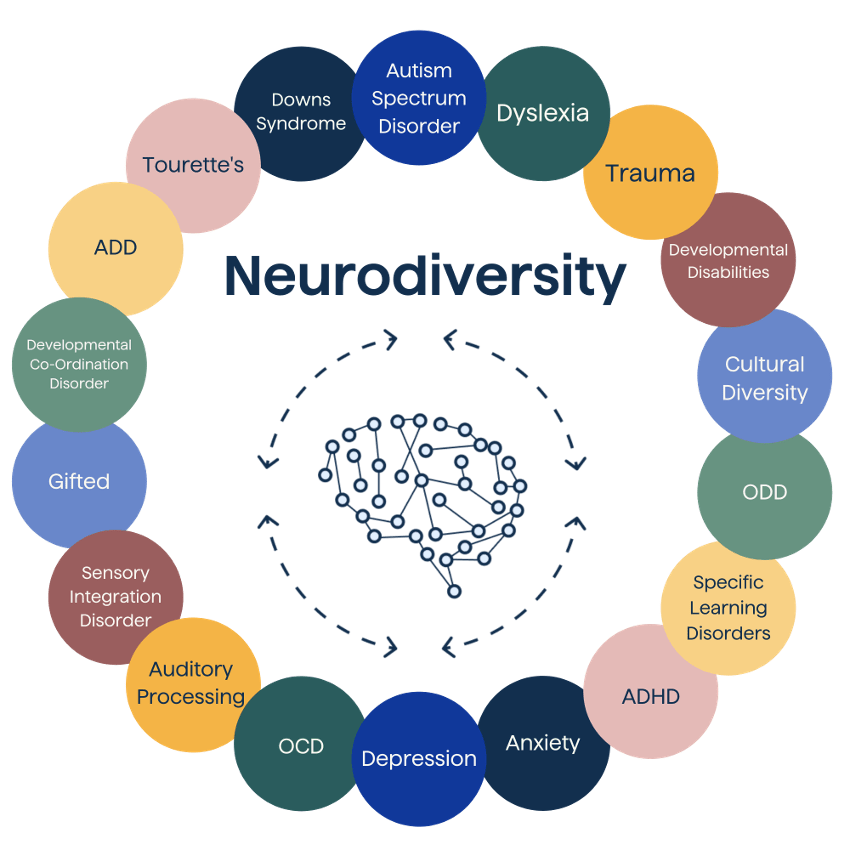
Neurodiversity refers to the natural variation in human brain function and behavioral traits. It encompasses conditions such as autism, ADHD, dyslexia, and others, viewing them not as disorders but as part of the spectrum of human diversity. This perspective challenges traditional deficit-based models and promotes a strengths-based approach.
The Origins of Neurodiversity
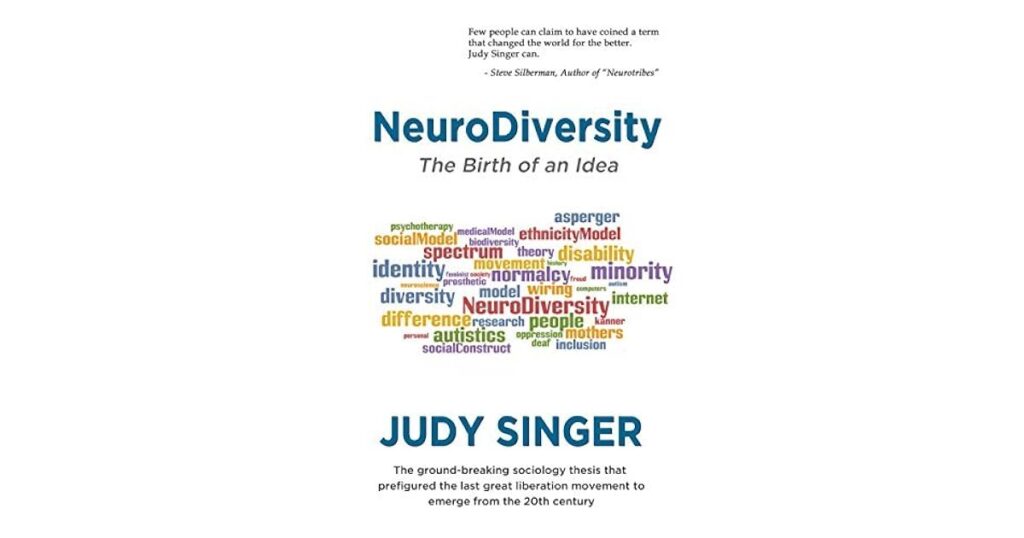
In her 1998 thesis, Judy Singer introduced the concept of neurodiversity, emphasizing the social and political dimensions of neurological differences. While some recent discussions suggest that the term’s origins are more collective, Singer’s work remains foundational in advocating for the rights and recognition of neurodivergent individuals .
Neurodiversity in Professional Development
Integrating Neurodiversity into PD Programs
Incorporating neurodiversity into professional development involves:
- Awareness Training: Educating staff about different neurological conditions and their implications.
- Inclusive Practices: Implementing strategies that accommodate diverse learning and working styles.
- Policy Development: Creating organizational policies that support neurodivergent individuals.
Benefits of Neurodiverse PD
Organizations that embrace neurodiversity in their PD programs often experience:
- Enhanced Creativity: Diverse thinking leads to innovative solutions.
- Improved Problem-Solving: Different perspectives contribute to more effective problem-solving.
- Increased Employee Satisfaction: Inclusive environments foster a sense of belonging and respect.
Practical Examples of Neurodiverse PD
Case Study 1: Implementing Flexible Communication Tools
A school district introduced alternative communication methods, such as text-to-speech software and visual schedules, to support neurodivergent students and staff. This initiative led to improved engagement and reduced misunderstandings.
Case Study 2: Sensory-Friendly Workspaces
A corporate office redesigned workspaces to include noise-canceling headphones and adjustable lighting, accommodating employees with sensory sensitivities. This adjustment resulted in increased productivity and job satisfaction.
Judy Singer’s Evolving Perspective
While Judy Singer’s initial work focused on advocating for individuals with Asperger’s syndrome, she has acknowledged the need for a more inclusive approach that considers the diverse needs of all neurodivergent individuals. She has introduced the concept of “Neurorealism,” emphasizing evidence-based practices and realistic expectations in supporting neurodivergent individuals.
FAQs
1. What is the significance of Judy Singer’s work?
Judy Singer’s work has been instrumental in shifting the narrative around neurological differences, promoting a more inclusive and strengths-based perspective.
2. How can organizations implement neurodiverse PD programs?
Organizations can start by providing training on neurodiversity, adopting inclusive practices, and developing policies that support neurodivergent individuals.
3. What are the challenges in integrating neurodiversity into PD?
Challenges include resistance to change, lack of awareness, and insufficient resources. Overcoming these requires commitment, education, and support from leadership.
4. How does neurodiversity benefit organizations?
Embracing neurodiversity can lead to enhanced creativity, improved problem-solving, and increased employee satisfaction, contributing to overall organizational success.
5. Where can I learn more about neurodiversity?
Resources include Judy Singer’s publications, online courses, and organizations dedicated to neurodiversity advocacy and education.
Conclusion
Judy Singer’s contributions to the concept of neurodiversity have paved the way for more inclusive and effective professional development programs. By embracing neurodiversity, organisations can foster environments that celebrate differences and leverage the unique strengths of all individuals.
Free Download: S9 Rich Ticket APK