
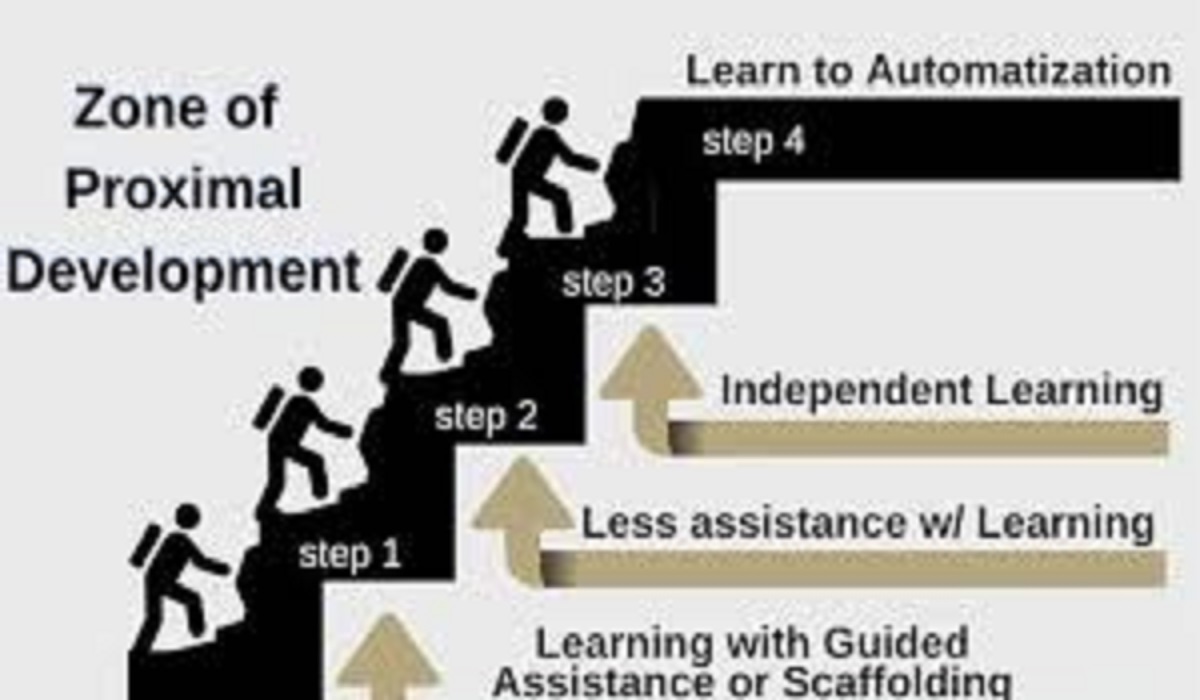
Learning Beyond the Zone of Proximal Development
Learning Beyond the Zone of Proximal Development: In the world of education and cognitive development, the Zone of Proximal Development (ZPD) is a crucial concept introduced by psychologist Lev Vygotsky. It refers to the difference between what a learner can do independently and what they can achieve with guidance.
However, when students or educators push learning too far beyond this zone, it can lead to frustration, burnout, and ineffective learning This article explores the risks of learning outside the ZPD, why it happens, and how educators can structure lessons to maximize student growth without overwhelming them.
What Is the Zone of Proximal Development (ZPD)?
The Zone of Proximal Development (ZPD) is the sweet spot where a learner can accomplish tasks with guidance but not yet independently. Vygotsky emphasized that optimal learning occurs when students are challenged just beyond their current abilities—but not so far that they become overwhelmed.
Key Components of ZPD:
- Independent Performance: What a student can do alone.
- Potential Development: What they can achieve with help.
- Too Far Beyond ZPD: Tasks that are too difficult even with assistance.
Why Do Learners Go Beyond Their ZPD?
Several factors contribute to students being pushed beyond their optimal learning zone:
A. Pressure to Accelerate Learning
- Standardized testing and competitive academic environments push students into advanced material prematurely.
- Parents and teachers sometimes overestimate a student’s readiness.
B. Misdiagnosis of Ability
- Assuming a student is ready for harder material based on age rather than skill level.
- Lack of individualized assessment leads to mismatched instruction.
C. Overambitious Curricula
- Schools sometimes adopt advanced programs without considering developmental readiness.
The Risks of Learning Outside the ZPD
When students are consistently pushed beyond their ZPD, several negative outcomes arise:
A. Cognitive Overload
- The brain can only process so much new information at once.
- Excessive difficulty leads to mental exhaustion and shutdown.
B. Decreased Motivation & Confidence
- Constant struggle without success makes learners feel incapable.
- They may develop a fixed mindset, believing they “just aren’t good” at the subject.
C. Poor Knowledge Retention
- Information learned under extreme stress is often forgotten quickly.
- Without proper scaffolding, concepts don’t stick.
D. Increased Anxiety & Stress
- Chronic frustration can lead to academic burnout and even test anxiety.
How to Identify When Learning Is Too Advanced?
Educators and parents should watch for these signs:
- The student frequently asks for help on basic concepts.
- Avoidance behaviors (procrastination, skipping assignments).
- Emotional distress (frustration, tears, disengagement).
Strategies to Keep Learning Within the ZPD
A. Differentiated Instruction
- Tailor lessons to individual student levels.
- Use scaffolding techniques (breaking tasks into smaller steps).
B. Formative Assessments
- Regularly check understanding before moving to harder topics.
C. Encourage Growth Mindset
- Teach students that struggle is part of learning—but only when it’s the right level of challenge.
The Role of Educators in Scaffolding Learning
Teachers should:
- Provide guided practice before independent work.
- Use peer learning (collaboration helps bridge gaps).
- Offer feedback loops to adjust difficulty as needed.
Case Studies: When Pushing Limits Backfires
1: Advanced Math in Elementary School
- A school introduced algebra in 3rd grade, leading to widespread frustration.
- Result: Many students developed math phobia early on.
2: Accelerated Reading Programs
- Forcing struggling readers into complex texts decreased their love of reading.
Balancing Challenge and Support in Education
The key is finding the right level of difficulty—challenging but not impossible.
Conclusion
While ambition in education is important, forcing learning beyond the ZPD does more harm than good. Educators must balance challenge with support, ensuring students grow without unnecessary stress.
FAQs
1. What happens if a student is always in their comfort zone?
- They won’t grow. The ZPD is about moderate challenge, not staying in easy tasks.
2. Can gifted students also experience ZPD issues?
- Yes! Even advanced learners can be pushed too far, especially in new subjects.
3. How can parents tell if schoolwork is too hard?
- Watch for frequent frustration, declining grades, or loss of interest.
4. Is the ZPD only for children?
- No! Adults also have a ZPD when learning new skills (e.g., languages, tech).
5. What’s the best way to scaffold learning?
- Break tasks into steps, provide examples, and gradually reduce support.