
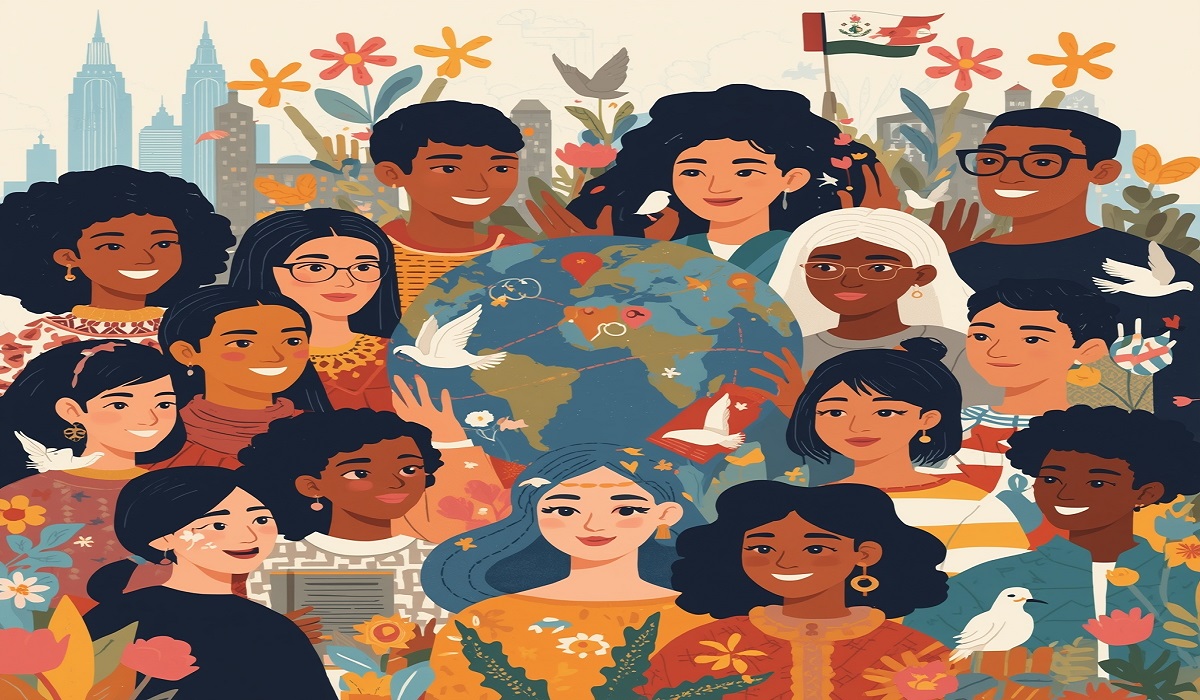
Global Citizenship Education
Global Citizenship Education: Imagine a classroom where students in Tokyo discuss ocean pollution with a class in Toronto through a video call. They share ideas and create a joint plan. This is not a future dream. It is happening now. This approach to learning helps young people understand they are part of a big world community. This is the heart of Global Citizenship Education.
Global Citizenship Education, often called GCED, prepares learners of all ages for this connected world. It is not about getting a new passport. It is about realizing our shared challenges and opportunities. And it builds the skills, values, and knowledge to build a more just, peaceful, and sustainable world. This article explains Global Citizenship Education with examples, showing how it works in real life and why it matters for our future.
What We Mean by Global Citizenship Education?
Global Citizenship Education is a way of thinking about teaching and learning. It helps people understand local and global issues. It also helps people understand the complex connections between them. The goal is to make people feel responsible for a bigger world. It encourages them to take action for the good of all.
This kind of education moves beyond memorizing facts. It asks “why” and “how” questions. Why is there inequality? How can we protect our planet? How are my choices connected to someone else’s life far away? Global Citizenship Education provides a framework to explore these big questions. It uses knowledge from many subjects like science, social studies, and the arts.
The core of Global Citizenship Education rests on three main pillars:
- Cognitive: Learning about global issues and their causes.
- Socio-Emotional: Developing feelings of belonging to a human community, empathy, and respect for differences.
- Behavioral: Acting responsibly and effectively, both locally and globally, to make the world better.
The Main Goals of This Educational Approach
The aims of Global Citizenship Education are clear and action-oriented. They focus on creating capable and caring individuals. The primary goals are to:
- Develop a strong sense of identity and belonging to humanity.
- Foster respect for diversity and intercultural understanding.
- Build critical thinking skills to analyze information and media.
- Promote empathy and a commitment to equality and social justice.
- Empower learners to become active, responsible contributors to their communities and the world.
These goals work together. First, you learn about an issue. Then, you care about it. Finally, you feel able to do something about it. This complete process is what makes Global Citizenship Education so powerful.
Why Global Citizenship Education Matters Today?
Our world faces problems that do not stop at country borders. Climate change, pandemics, and economic shifts affect everyone. Solving these issues needs cooperation and shared understanding. This is where Global Citizenship Education becomes essential, not just optional.
In an age of online information, it is easy to find conflicting messages. Global Citizenship Education teaches young people to think carefully about what they see and hear. It helps them spot bias and find reliable facts. This skill is crucial for making good decisions and being an informed community member.
Furthermore, our workplaces are now global. Teams often have members from different cultures and time zones. Global Citizenship Education prepares students for this reality. It teaches them to communicate well, respect different viewpoints, and work together across cultures. These are some of the most needed skills in today’s job market.
Important Themes in Global Citizenship Learning
Several key topics form the building blocks of Global Citizenship Education. These themes help structure learning and discussion.
Human Rights and Responsibilities
This theme explores the basic rights every person has, like the right to food, safety, and education. Global Citizenship Education links these rights to our duties. For example, we have a responsibility to not violate the rights of others. It also looks at how rights can be protected and what happens when they are not.
Peace and Conflict Resolution
Learners examine the causes of conflict, from schoolyard disagreements to international wars. More importantly, they study ways to create peace. This includes learning about negotiation, mediation, and the importance of dialogue. The focus is on building peaceful communities.
Cultural Diversity and Appreciation
The world is full of different languages, religions, and traditions. This theme teaches that diversity is a strength, not a problem. Global Citizenship Education encourages curiosity about other cultures. It teaches people to interact with others respectfully and without prejudice.
Sustainable Development for Our Planet
This theme connects our present actions to the future of the planet. It covers environmental protection, fair economic growth, and social well-being. Students learn how their choices, like what they buy or how they travel, have a wider impact. The goal is to think about the needs of future generations.
Real-World Examples of Global Citizenship Education
To see how Global Citizenship Education works, let’s look at some examples. These show the idea applied in different settings.
Example in a Elementary School Classroom
A fourth-grade class is learning about water. Instead of just studying the water cycle, their teacher connects it to Global Citizenship Education. The class looks at how people get clean water in different parts of the world.
They calculate their own daily water use and discuss ways to conserve. They might read a story about a child in a country with water shortages. Then, they could write letters to local leaders about protecting community water sources. This links science learning to real-world empathy and action.
Example in a Middle or High School
Students in a history class study World War II. As part of a Global Citizenship Education project, they do not just list dates and battles. They analyze the conditions that led to the war and the failure of diplomacy. They then research a modern-day conflict or a rising political tension. Their project proposes peaceful solutions based on historical lessons, focusing on dialogue and human rights.
Example in University and Adult Learning
A university business program includes a mandatory course on ethics and Global Citizenship Education. Students study cases of multinational companies. They examine the environmental and social effects of supply chains in different countries. They develop guidelines for ethical business practices that respect workers’ rights and minimize ecological harm. This prepares them to make responsible decisions in their future careers.
Example in Online and Community Programs
A community library hosts a monthly “Global Issues” film night for adults. After watching a documentary about plastic waste, a local environmental scientist leads a discussion. The group then brainstorms a local action, like a neighborhood clean-up or a campaign to reduce single-use plastics in nearby cafes. This turns awareness into direct community engagement.
How to Bring Global Citizenship into Any Classroom?
Teachers do not need a special degree to start. They can weave Global Citizenship Education into existing lessons with some thoughtful planning.
Start by Making Connections
When teaching any topic, ask: “Does this connect to a bigger global issue?” Teaching fractions? Talk about fair sharing of resources. Learning about plants? Discuss rainforest deforestation and its global impact. This habit helps students see links between their studies and the world.
Use Stories and Personal Narratives
Stories are powerful tools for building empathy. Use books, films, and guest speakers to share diverse human experiences. Hearing someone’s personal story makes a distant issue feel real and important. This is a core part of understanding Global Citizenship Education with examples from real life.
Encourage Projects and Problem-Solving
Move from talking to doing. Have students identify a problem in their school or town. Guide them to research, plan, and execute a small project to address it. This could be starting a compost bin, organizing a cultural fair, or creating a campaign against bullying. Action builds confidence and shows that their efforts matter.
Promote Dialogue and Respectful Debate
Create a classroom culture where students can share different views safely. Teach them how to disagree respectfully, listen actively, and build on each other’s ideas. These communication skills are vital for Global Citizenship Education and for life.
Answers to Common Questions About Global Citizenship Education
Is this just about learning other countries’ cultures?
No, it is much more. While appreciating cultures is part of it, Global Citizenship Education is also about critical thinking, human rights, sustainability, and taking action. It is as much about understanding global systems and your own role within them as it is about cultural exchange.
Does it mean we should care less about our own country?
Not at all. Global Citizenship Education is not about replacing national identity. It is about adding another layer of belonging. Think of it like circles: you can care for your family, your community, your country, and also for the wider world. These feelings support each other.
Is it only for social studies or history classes?
While it fits naturally there, Global Citizenship Education can be part of any subject. Math can analyze global statistics on poverty. Science can study climate solutions. Language arts can explore literature from diverse authors. Every subject offers a door into global topics.
How can we measure its success?
Success is not just a test score. Look for changes in student behavior and attitudes. Are they more empathetic? Do they ask better questions about world events? Are they participating in community service? Portfolios, project work, and student reflections are good ways to assess the impact of Global Citizenship Education.
Is it politically biased?
The foundation of Global Citizenship Education is universal principles like human dignity, peace, and sustainability, which are agreed upon by most nations in documents like the UN Charter. The goal is to teach learners to think for themselves based on evidence and shared human values, not to promote a single political viewpoint.
Final Thoughts on Building a Global Mindset
Global Citizenship Education is more than a school subject. It is a necessary tool for navigating the 21st century. By focusing on Global Citizenship Education with examples, we move from theory to practice. We see how young people and adults can learn to think globally and act locally.
This approach prepares everyone not just to succeed in the world, but to improve it. It builds bridges of understanding at a time when walls often seem easier to build. The examples show that every teacher, parent, and community leader can contribute. They can help foster the values of respect, responsibility, and cooperation that our shared future requires.
The goal is clear: to equip every learner with the knowledge, skills, and values to build a more just and peaceful world. That is the true promise and purpose of Global Citizenship Education.