
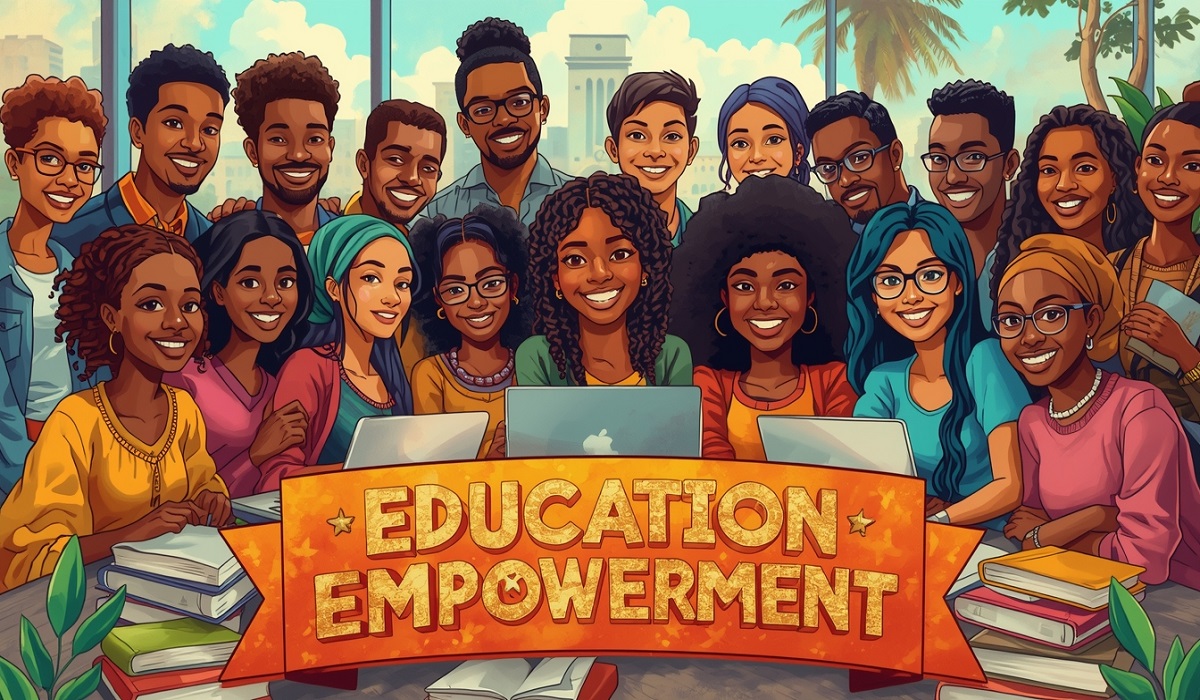
African American scholarships
African American scholarships: For many students, paying for college feels like a big, difficult game. The rules seem confusing, the clock is always ticking, and the prize—a great education without huge debt—feels just out of reach. If you are an African American student looking ahead to 2026, know that you are not playing this game alone.
There are many programs designed to help you succeed. This guide talks about African American scholarships 2026 opportunities. We will look at where to find them, how to apply, and how to put your best foot forward. The goal is to turn a stressful search into a clear, manageable plan. Let’s talk about the latest news and resources for students scholarships 2026.
Understanding Financial Aid for College
Before we look at specific scholarships, it’s helpful to see the whole picture. Financial aid is like a puzzle with several pieces. Scholarships are one of the best pieces because you do not have to pay them back. Grants are similar and often based on need. Loans are money you borrow and must repay later. Work-study programs let you earn money with a campus job.
Your first step for any year, including 2026, should be the FAFSA, the Free Application for Federal Student Aid. Completing this form opens the door to federal grants, loans, and work-study. Many states and colleges also use the FAFSA to decide their own aid.
Some scholarships require it, too. Filing the FAFSA early is very important because some money is given out first come, first served. So, for students scholarships 2026, the FAFSA is your essential starting point.
A Look at Scholarships for African American Students in 2026
Many organizations believe in the power of education and want to support African American scholars. These African American scholarships 2026 come from many places. National groups, local community clubs, professional associations, and colleges themselves all offer help.
They might reward strong grades, leadership in your community, skill in a certain subject, or a combination of these things.
The latest information shows that these scholarships continue to be a vital resource. They do more than just provide money. They often connect you with a network of mentors and professionals. This support can help you during college and as you start your career.
When searching for students scholarships 2026, remember that each one has a story and a goal to help someone like you achieve their dreams.
Where to Find Current Scholarship Listings
You might wonder where to find these opportunities. A good search is both wide and focused. Start with a free, reputable online scholarship search tool. These websites let you create a profile and match with scholarships that fit you. Always use safe, well-known sites to protect your personal information.
Do not forget more specific searches. Look for scholarships in the field you want to study, like engineering, nursing, or business. Many professions have groups that want to bring new people into their field.
Your high school counselor’s office is another excellent resource. They often have lists of local awards. For the latest African American scholarships 2026, also check the websites of civil rights organizations, cultural societies, and large corporations known for diversity programs.
Crafting a Strong Scholarship Application
A great application makes you stand out. It tells your story in a clear and memorable way. First, follow all directions carefully. If they ask for a 500-word essay, do not write 600. If they need two recommendation letters, send two, not one. Small mistakes can cause an application to be set aside.
Your essay is your chance to speak directly to the committee. Write about your experiences, your goals, and why this scholarship matters to you. Be specific and honest. Instead of just saying you work hard, describe a time you overcame a challenge.
Ask teachers or mentors for recommendation letters early. Give them information about the scholarship and your accomplishments so they can write a detailed letter for you.
Essential Tips for Writing Your Scholarship Essay
The essay often feels like the hardest part. Think of it as a conversation on paper. Start with a clear idea. What is the main thing you want the reader to know about you? Maybe it’s your commitment to your neighborhood.
Your passion for science, or your journey as an artist. Use details to show, not just tell. Instead of “I am a leader,” you could write, “I organized a weekly study group that helped ten classmates improve their math grades.”
Write several drafts. Your first draft is just to get ideas down. Your next drafts are for making those ideas stronger and clearer. Read your essay out loud to catch awkward sentences. Have a teacher, parent, or friend read it and give feedback. A strong essay for African American scholarships 2026 will feel personal and true, not something copied from the internet.
Preparing for Scholarship Interviews
Some scholarships may invite you for an interview. This is good news! It means they are interested in you. Preparation is the key to feeling confident. Learn about the organization giving the scholarship. Understand their mission and values. Think about how your own goals align with theirs.
Practice answering common questions. These might include “Tell us about yourself,” “Why do you deserve this scholarship?” and “What are your career plans?” Practice your answers, but do not memorize a speech.
You want to sound natural. Prepare a few questions to ask them, too. This shows your serious interest. Dress neatly and be polite to everyone you meet. The interview is your final step to secure students scholarships 2026.
Managing Your Scholarship Awards
What happens if you win? First, celebrate your hard work! Then, you will need to manage the award properly. The scholarship provider will tell you how and when you will get the money. Often, the check goes directly to your college’s financial aid office. You must usually send them a copy of your award letter.
Understand the rules for keeping your scholarship. Many require you to keep your grades at a certain level, called a GPA requirement. You might need to send a thank-you note to the donor or provide a progress report each semester.
Keep all your scholarship information in a safe folder. Knowing the requirements helps you keep your funding for all your college years.
Renewing and Searching for More Scholarships
Your search for African American scholarships 2026 does not always end when you start college. Many scholarships are renewable. If you meet the GPA and other requirements, you can get the money again each year. Mark your calendar to reapply if needed.
Also, look for new scholarships each year. As a college student, you become eligible for different awards. There are scholarships for sophomores, juniors, and seniors. There are awards for students who have declared their major.
Set aside time each semester to look for these latest opportunities. Continuing to apply can significantly reduce the loans you need to take.
Building a Support System for Your Journey
Applying for scholarships takes time and effort. A support system makes the process easier. Talk to your family about your goals and deadlines. Your school counselor is a trained professional who can help you find opportunities and review applications.
Connect with other students who are also applying. You can share tips and encourage each other. If your college has a financial aid office, get to know the staff there. They can help you understand how outside scholarships affect your overall aid package. Remember, seeking help is a sign of strength, not weakness. This network supports you as you work toward your students scholarships 2026 goals.
FAQs About African American Scholarships 2026
1. When should I start applying for scholarships for 2026?
Start now. Many scholarships have deadlines in the fall and winter before the school year starts. For example, to use funds for the fall 2026 semester, you might apply between summer 2025 and spring 2026. Starting early gives you plenty of time to write strong essays and gather materials.
2. Do I need a perfect GPA to get a scholarship?
No, you do not need a perfect GPA. While many scholarships consider grades, they also look at other factors. These include community service, leadership, essays, and unique talents. There are awards for every kind of student. Search for scholarships that match your whole profile, not just your report card.
3. How can I make sure a scholarship opportunity is real?
Be careful to avoid scams. A real scholarship will never ask you to pay money to apply or claim a prize. Be wary of offers that seem too easy or that guarantee you will win. Check the organization’s official website. Your school counselor or college financial aid office can also help you check if an opportunity is legitimate.
4. Can I use one essay for multiple scholarship applications?
You can often use a similar base essay, but you should always tailor it. Change the essay to fit each scholarship’s specific prompt or question. Mention the name of the organization giving the award. Making these changes shows you care about their particular scholarship and are not just sending the same thing to everyone.
5. What if a scholarship asks about my financial need?
Answer honestly. Many scholarships are designed to help students who need financial support to attend college. They may ask for information from your FAFSA or a statement from your family. Providing clear, truthful information about your situation helps the committee make a fair decision.
Conclusion
The path to finding African American scholarships 2026 is about consistent effort and using good resources. Begin with the FAFSA, search widely but thoughtfully, and take great care with each application you submit.
The latest news is that these opportunities exist because communities and organizations believe in your future. Approach your search for students scholarships 2026 with confidence. Your education is an investment that lasts a lifetime, and these scholarships are tools to help you build it. Take the first step today, and keep moving forward toward your goals.