
Adaptive Learning Paths
Adaptive Learning Paths: Imagine a teenager staring blankly at a page in their English class. The words blurring together because the material feels too overwhelming or disconnected from their world. This isn’t just a fleeting moment—it’s a symptom of a larger issue plaguing our education system.
In 2026, adaptive learning paths for adolescent literacy gaps are emerging as a game-changer, offering personalized, tech-driven solutions to help teens bridge those critical reading and comprehension divides.
With literacy rates continuing to lag behind, especially among middle and high school students. Educators and parents are turning to these innovative strategies to reignite a love for reading and ensure long-term academic success.
In this comprehensive guide, we’ll explore the current state of teen literacy challenges, dive into what adaptive learning paths really mean, highlight their benefits, examine key trends, share real-world case studies, and look ahead to the future—all backed by the latest 2026 data.
Understanding Adolescent Literacy Gaps in 2026
Current Statistics on Teen Literacy Challenges
The literacy landscape for adolescents in 2026 paints a concerning picture, with fresh data underscoring the urgency for targeted interventions. According to the latest National Assessment of Educational Progress (NAEP) reports. Only 35% of 12th graders are reading at or above proficient levels. Marking a three-point drop since 2019.
This decline isn’t isolated; high school reading levels have plummeted to their lowest since 1992. With average scores reflecting widespread struggles in comprehension and critical analysis. Even more alarming, nearly two-thirds of U.S. students are not reading at grade level. A statistic that varies starkly by state but highlights a national crisis.
Boys, in particular, are falling behind, with reading skills lagging a full year behind girls by age 18. And the ripple effects extend beyond the classroom—85% of youth involved in the juvenile justice system have reading skills below what’s needed to function in society. These numbers aren’t just abstract; they represent real teens facing barriers to higher education, career opportunities, and even everyday tasks like understanding news articles or job applications.
Factors Contributing to Literacy Gaps in Adolescents
Several intertwined factors are fueling these gaps. The lingering impacts of the pandemic have exacerbated foundational skill deficits, with many students entering middle school without strong phonics or vocabulary bases.
Socioeconomic disparities play a huge role too—students from low-income households often lack access to quality reading materials at home, widening the divide. Additionally, traditional one-size-fits-all teaching methods fail to address diverse learning styles. Leaving visual learners, English language learners, or those with ADHD disengaged.
In 2026, we’re also seeing how screen time and digital distractions compete with deep reading. Yet ironically, technology holds the key to solutions like adaptive learning paths for adolescent literacy gaps. By recognizing these contributors, educators can pivot toward more inclusive, personalized approaches that meet teens where they are.
What Are Adaptive Learning Paths?
Defining Adaptive Learning Paths in Education
At its core, adaptive learning paths are dynamic, AI-powered educational frameworks that adjust in real-time to a student’s performance, preferences, and pace. Unlike static curricula, these paths use algorithms to tailor content.
Skipping ahead for quick learners or providing extra practice for those struggling with specific concepts. In the context of literacy, this might mean customizing reading passages to build vocabulary gradually or offering interactive quizzes that evolve based on responses.
Think of it as a GPS for learning: if a teen veers off course in understanding metaphors, the system reroutes with targeted exercises, ensuring they master the skill before moving on. This personalization is especially vital for adolescents, whose brains are still developing and who benefit from relevant, engaging material.
How AI Powers Personalized Learning for Teens?
AI is the engine behind these paths, analyzing data from quizzes, reading times, and even eye-tracking in advanced systems to create unique journeys. Platforms like those from Google or Lexia integrate machine learning to predict knowledge gaps and recommend resources.
Making education feel less like a chore and more like a customized adventure. For teens dealing with literacy gaps, this means exposure to age-appropriate texts that challenge without overwhelming, fostering confidence and deeper comprehension.
Benefits of Adaptive Learning Paths for Closing Literacy Gaps in Teens
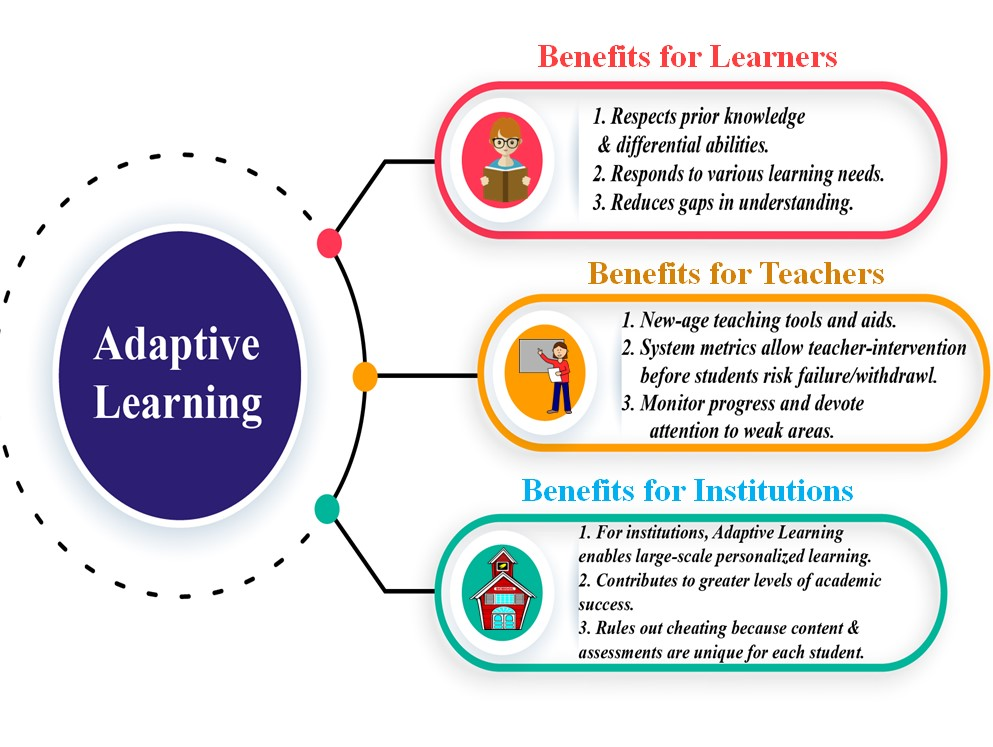
Enhanced Engagement and Motivation Through Personalization
One of the standout benefits is boosted engagement. Traditional methods often bore advanced students or frustrate those behind, leading to disinterest. Adaptive paths flip this by delivering content that matches individual interests—perhaps tying reading exercises to video games or social media trends for tech-savvy teens. Studies show this personalization can improve memory retention by up to 200% and enhance long-term mastery. In 2026, with AI tutors available 24/7, teens report higher motivation, reducing dropout risks and closing gaps faster.
Improved Reading Comprehension and Retention
Adaptive systems excel at building foundational skills while advancing to complex texts. By identifying weak areas like inference or summarization, they provide scaffolded support, leading to measurable gains. For instance, adaptive teaching has been shown to yield higher lasting learning outcomes compared to standard lessons, particularly in languages. This targeted approach helps teens retain information better, turning passive readers into active analyzers.
Addressing Diverse Learning Needs in Adolescents
Diversity in learning is a hallmark of adolescence, and adaptive paths shine here by accommodating neurodiverse students, ELLs, or those with varying paces. They reduce stress, teach responsibility, and highlight strengths, ultimately closing equity gaps. In real terms, this means fewer teens falling through the cracks, with personalized feedback fostering a sense of achievement.
Key Trends in Adaptive Learning for Adolescent Education in 2026
AI Integration and Real-Time Adaptive Systems
2026 is seeing explosive growth in AI-driven adaptive learning, with systems moving beyond basic personalization to real-time adjustments based on emotional analytics and performance data. Tools like intelligent tutoring systems are becoming standard, predicting needs and offering lifelong guidance.
Hybrid Models Combining Tech and Teacher Support
Blended approaches are on the rise, merging AI with human oversight for optimal results. This hybrid boosts participation and flexibility, leading to better comprehension. Teachers use data dashboards to intervene. Ensuring tech enhances rather than replaces instruction.
Market Growth and Accessibility Improvements
The adaptive learning market is projected to hit $10.92 billion by 2030, driven by demand for personalized platforms. Accessibility is improving with cloud-based systems, making these tools available to underserved areas and closing global literacy divides.
Case Studies: Successful Adaptive Learning Programs for Teen Literacy
Lexia Core5 and PowerUp in U.S. Schools
In Mayfield City Schools, Ohio, Lexia’s Core5 reduced below-grade-level readers from 53% to 5% in one year, with 92% of advanced users excelling on state tests. Similarly, PowerUp in Marietta City Schools boosted Emergent Bilingual students. Increasing grade-level proficiency from 11% to 67%.
Clusive Tool for Middle School Engagement
CAST’s Clusive platform helps middle schoolers build personal libraries and adapt preferences, tracking progress to suggest improvements and enhancing self-awareness. It’s proven effective for diverse learners, making reading flexible and fun.
Global AI Implementations in K-12 Settings
In various districts, AI platforms like Smart Sparrow create adaptive pathways, with case studies showing tailored content leading to higher engagement and reduced gaps. These examples illustrate how adaptive learning is scalable and impactful worldwide.

The Future of Adaptive Learning in Addressing Adolescent Literacy Gaps
Predictions for 2027 and Beyond
Looking ahead, adaptive learning will integrate AR/VR for immersive reading experiences and emotional analytics for mental health support. By 2027, AI adoption in schools could reach 70%, focusing on equity and lifelong skills.
Challenges and Solutions for Widespread Adoption
Challenges like data privacy and teacher training persist. But solutions include policy frameworks and professional development. States are extending science-of-reading policies beyond third grade, paving the way for sustained literacy growth.
FAQs on Adaptive Learning Paths for Adolescent Literacy Gaps
What are adaptive learning paths for adolescent literacy gaps, and how do they work in 2026?
Adaptive learning paths are AI-customized educational routes that adjust to a teen’s progress, using data to personalize reading tasks and close skill gaps effectively.
How can adaptive learning paths help close literacy gaps in teens with diverse needs?
They accommodate different styles, providing extra support for ELLs or neurodiverse students, improving engagement and outcomes through tailored content.
What are the top trends in adaptive learning for adolescent education in 2026?
Key trends include real-time AI adjustments, hybrid teacher-tech models, and market expansion for accessible, personalized literacy tools.
Are there successful case studies of adaptive learning programs addressing teen literacy challenges?
Yes, programs like Lexia PowerUp have dramatically increased proficiency rates in U.S. schools, proving their efficacy in real settings.
What is the future outlook for adaptive learning in tackling adolescent literacy gaps beyond 2026?
Expect integration with AR/VR and emotional analytics, with policies ensuring equitable access and sustained reading growth.
Conclusion
Adaptive learning paths for adolescent literacy gaps represent a beacon of hope in 2026’s education landscape, transforming how we address persistent reading challenges with personalization, engagement, and proven results.
From stark statistics highlighting the crisis to inspiring case studies and forward-looking trends, it’s clear these tools can empower teens to become confident, lifelong readers. If you’re an educator, parent, or policymaker, now’s the time to embrace this shift.