
Challenges for Public Sector and Private Sector
Pakistan Education: Challenges for Public Sector and Private Sector. The education sector in Pakistan faces numerous challenges, affecting both the public and private sectors. These challenges impact the quality and accessibility of education. Hinder the country’s ability to provide equitable and effective educational opportunities.
Here are some of the key challenges for both sectors:
Challenges for the Public Sector:
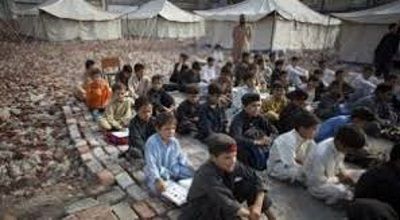
- Infrastructure and Facilities: Many public schools in Pakistan lack proper infrastructure, such as classrooms, libraries, and laboratories. This affects the quality of education and the overall learning environment.
- Teacher Quality: Public schools often struggle to attract and retain qualified teachers. A shortage of skilled educators leads to lower educational standards.
- Curriculum Relevance: The curriculum in public schools is often outdated and lacks relevance to the needs of the job market. It doesn’t always equip students with practical skills for the modern workforce.
- Access and Enrollment: While there has been significant progress in increasing school enrollment. Many children, especially in rural areas, still don’t have access to quality education due to a lack of nearby schools.
- Gender Disparities: Gender disparities persist in education, with girls facing more challenges in access and retention in schools due to cultural and social factors.
- Funding and Budgetary Constraints: Public education in Pakistan often suffers from budgetary constraints. Limiting the resources available for improving infrastructure, teacher training, and curriculum development.
Challenges for the Private Sector:
Affordability: Private education in Pakistan tends to be more expensive than public education. Making it inaccessible for many families, particularly in lower-income areas.
Quality Control: The quality of education in private schools varies widely. There is a lack of consistent regulation and quality control. Which can lead to disparities in the quality of education provided.
Inequity: Private schools are often concentrated in urban areas, leaving rural populations with limited access to quality private education.
Teacher Training: Private schools may not always provide the same level of teacher training and development. As the public sector, which can impact the quality of instruction.
Standardized Curriculum: The use of different curricula in private schools can make it difficult to assess the quality and relevance of the education being provided.
Regulation and Oversight: Ensuring that private schools meet certain educational standards and adhere to regulations can be challenging, and oversight mechanisms are often weak.
Summary
Addressing these challenges in the public and private sectors of Pakistan’s education system requires a multi-faceted approach. This could include increasing investment in education, and improving teacher training. Updating the curriculum to make it more relevant to the needs of the job market, and enhancing oversight and regulation of private schools. Furthermore, efforts should be made to reduce gender disparities and improve the overall quality and accessibility of education throughout the country.