
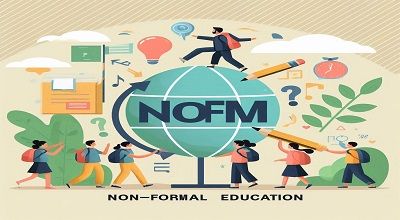
Non-Formal Education Review
What Is Non-Formal Education? Definition & Examples. N-formal education refers to any organized educational activity that takes place outside the formal education system. This type of education can occur in a variety of settings, such as community centers, workplaces, and online platforms. N-formal education often focuses on practical skills and experiential learning, rather than academic knowledge.
Examples of N-formal education include vocational training programs, adult literacy classes, community-based workshops, and online courses. These programs may be offered by government agencies, non-profit organizations, or private companies.
Non-formal education can be particularly beneficial for individuals who may not have had access to formal education or who are looking to develop specific skills or knowledge. It can also provide opportunities for lifelong learning and personal growth outside of traditional classroom settings.
Definition Of Non-Formal Education
Non-formal education refers to any organized educational activity that takes place outside the formal education system. This type of education can occur in a variety of settings, such as community centers, workplaces, and online platforms. N-formal education often focuses on practical skills and experiential learning, rather than academic knowledge. It is typically less structured and less comprehensive than formal education and is often designed to meet the needs of specific target groups. N-formal education can provide opportunities for personal and professional development, lifelong learning, and social and cultural enrichment.
Examples Of Non-Formal Education
There are many examples of non-formal education, including:
- Vocational training programs
- Adult literacy classes
- Community-based workshops
- Online courses
- Work-based learning and apprenticeships
- Skills training programs for marginalized populations
- Continuing education programs for professionals
- Distance education programs
- Language courses and language learning programs
- Hobby and interest-based classes and workshops, such as art, music, and cooking.
These programs may be offered by government agencies, non-profit organizations, or private companies. Non-formal education can provide individuals with practical skills, professional development opportunities, and personal enrichment.
Explanation Of Non-Formal Education
- Non-formal education is an organized educational activity that takes place outside the formal education system. Unlike formal education, which takes place in schools and other institutions and is typically structured around a defined curriculum, N-formal education is often less structured and more flexible.
- N-formal education can take many forms and can be designed to meet the specific needs of a particular target group. It may focus on practical skills, such as vocational training programs, or on personal and professional development, such as continuing education programs for professionals.
- N-formal education can be particularly beneficial for individuals who may not have had access to formal education or who are looking to develop specific skills or knowledge. It can also provide opportunities for lifelong learning and personal growth outside of traditional classroom settings.
- N-formal education can be delivered through a variety of channels, including community centers, workplaces, and online platforms. It may be offered by government agencies, non-profit organizations, or private companies.
Overall, N-formal education provides individuals with an alternative pathway for learning and personal development, outside of the formal education system.
Summary
Non-formal education is an organized educational activity that occurs outside the formal education system. It can take many forms and is often less structured than formal education. N-formal education focuses on practical skills, personal and professional development, and lifelong learning. It can be delivered through community centers, workplaces, and online platforms, and is offered by government agencies, non-profit organizations, and private companies. Overall, non-formal education provides an alternative pathway for learning and personal development outside of the formal education system.