
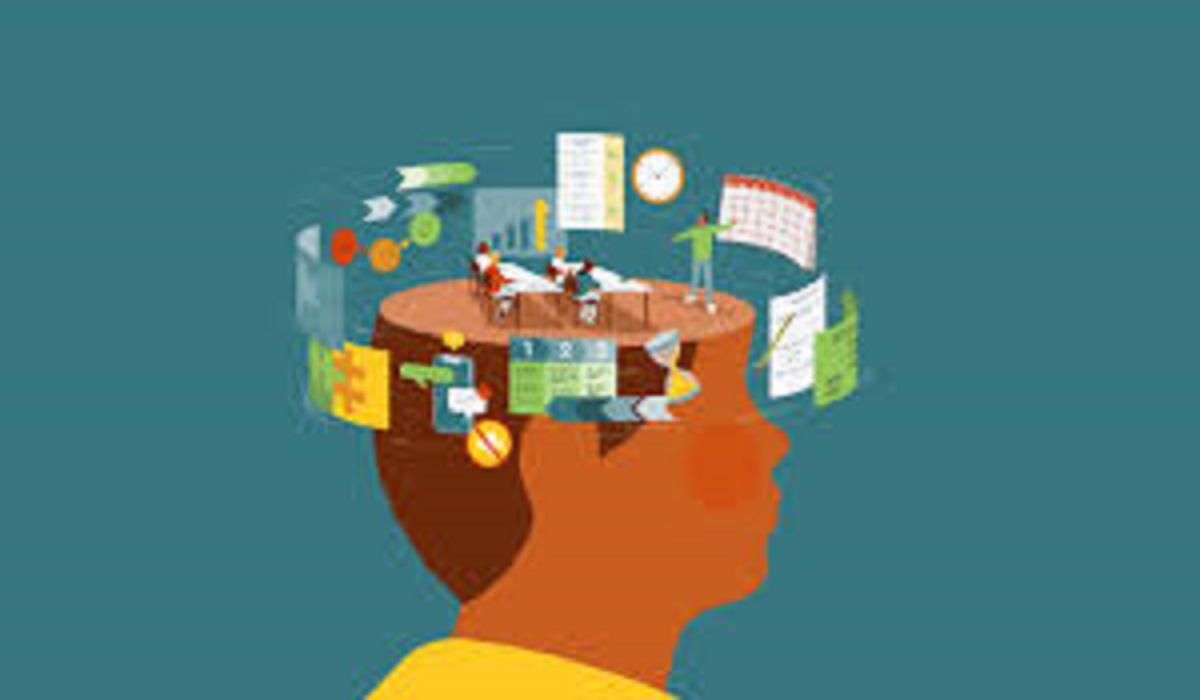
Boost Executive Function Skills with Games
Boost Executive Function Skills with Games: Executive function skills are essential for student success, helping them manage time, focus, plan, and regulate emotions. As educators, finding engaging ways to strengthen these skills is crucial. One powerful yet often overlooked strategy? Games!
From board games to digital apps, play-based learning can enhance working memory, cognitive flexibility, and self-control—all while keeping students motivated. In this guide, we’ll explore:
- What executive function skills are and why they matter
- How games improve these critical abilities
- The best games for different age groups
- Practical tips for teachers to integrate games into lessons
- Real-world success stories from classrooms
Whether you teach elementary, middle, or high school, these strategies will help you boost executive function skills in a fun, effective way.
What Are Executive Function Skills?
Definition & Core Components
Executive function (EF) refers to the mental processes that help students:
- Plan & organize tasks
- Focus & resist distractions
- Regulate emotions & impulses
- Switch between tasks flexibly
The prefrontal cortex controls these skills and develops throughout childhood and adolescence.
Why They Matter in Education?
Strong EF skills correlate with:
✔ Higher academic achievement
✔ Better social-emotional skills
✔ Long-term career success
Students with ADHD, autism, or learning disabilities often struggle with EF, making targeted interventions essential.
How Games Enhance Executive Function?
The Science Behind Play-Based Learning
Research shows that games:
- Activate dopamine, increasing engagement & motivation
- Provide immediate feedback, reinforcing learning
- Encourage problem-solving & adaptability
Key Benefits for Students
- Working Memory: Games like chess or memory match strengthen recall.
- Cognitive Flexibility: Strategy games require adapting to new rules.
- Self-Control: Turn-taking games teach patience and impulse regulation.
Best Games to Strengthen Executive Function
Board Games for Critical Thinking
- Chess (Strategy & foresight)
- Blokus (Spatial reasoning & planning)
- Set (Pattern recognition & quick decision-making)
Digital Games for Focus & Adaptability
- Minecraft: Education Edition (Planning & collaboration)
- Lumosity (Brain-training exercises)
- Kahoot! (Quick thinking & recall)
Physical & Cooperative Games
- Simon Says (Impulse control)
- Jenga (Patience & fine motor skills)
- Escape Room Challenges (Team problem-solving)
How Teachers Can Use Games Effectively?
Aligning Games with Learning Objectives
- Math: Use card games for arithmetic practice.
- Language Arts: Play Scrabble for vocabulary building.
- Science: Try simulation games like “Oregon Trail.”
Structuring Game-Based Learning Sessions
- Set clear rules & objectives
- Debrief afterward (“What strategies worked?”)
- Rotate game types to target different EF skills
Success Stories: Games in the Classroom
Case Study: Improving Focus in ADHD Students
A 3rd-grade teacher introduced “Mindful Maze” board games twice a week. After 8 weeks, students showed:
- 27% improvement in on-task behavior
- Fewer impulsive interruptions
District-Wide EF Growth
A school district implemented weekly strategy game sessions K-8. Standardized test scores rose by 12% in problem-solving sections.
FAQs About Games & Executive Function
1. Can games really improve executive function?
Yes! Studies show that structured games enhance planning, focus, and self-regulation when used intentionally.
2. What’s the best game for younger students?
“Red Light, Green Light” teaches impulse control, while “Memory Match” boosts working memory.
3. How often should games be used in class?
Aim for 2-3 short sessions per week to reinforce skills without over-relying on play.
4. Do digital games work as well as physical ones?
Both have benefits—digital games offer adaptability, while physical games improve social interaction.
5. Can games help students with ADHD?
Absolutely! Fast-paced, reward-based games can improve attention and self-control in ADHD learners.
Conclusion
Games aren’t just for fun—they’re powerful tools for building executive function skills in students. By integrating strategic play into lessons, teachers can foster better focus, planning, and emotional regulation in an engaging way.