
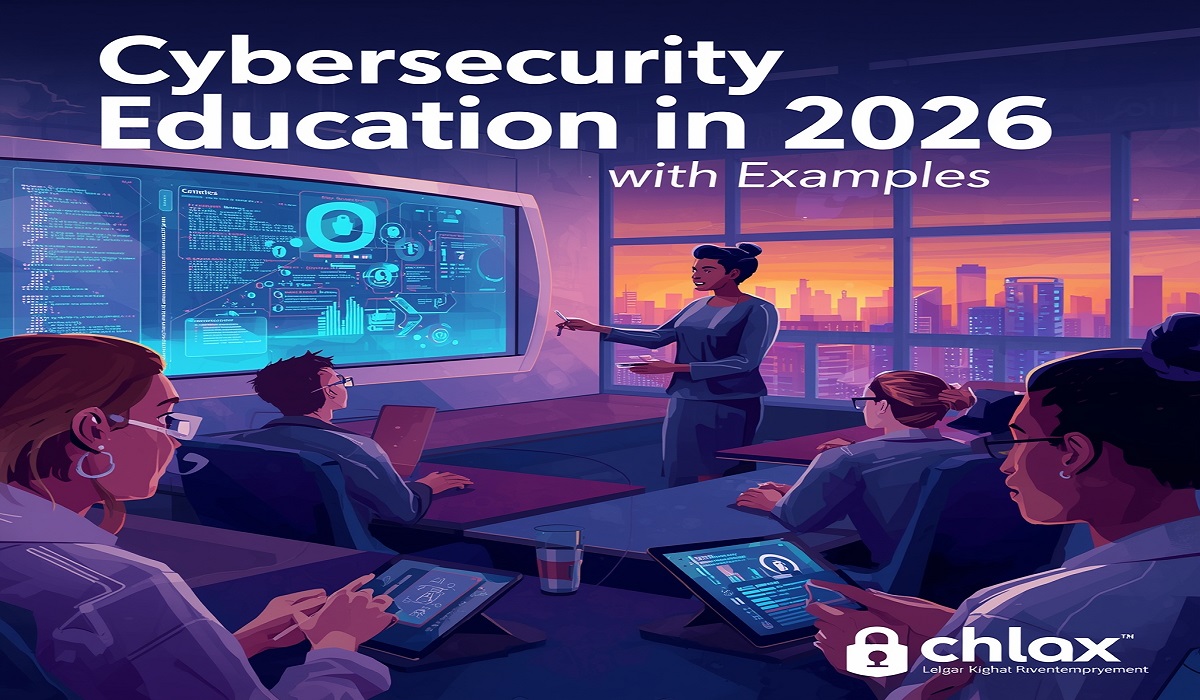
Cybersecurity Education
Cybersecurity Education in 2026 looks different from older classes. It is not only for computer experts in rooms. This type of learning now reaches students, office workers, nurses, and small shop owners. Why does this matter to you? Because online threats touch every part of our connected lives. The way we learn to stop these threats must change too.
This article shows you what Cybersecurity Education in 2026 involves. We will use clear examples to explain the latest methods. The goal is to give you useful knowledge, not just to chase popular search terms. You will see how real people use these lessons every day.
Think about a local library teaching grandparents how to spot fake emails. Picture a nurse learning to protect patient records on a tablet. Imagine a ten-year-old practicing safe habits in a school video game. These are all examples of Cybersecurity Education in 2026.
It is practical, ongoing, and built for regular people. This approach makes sure everyone can build important digital safety skills. We will explore the main parts of this modern learning style. You will get a true picture of its shape and purpose in your daily routine.
What Makes Modern Cybersecurity Learning Different?
Cybersecurity Education in 2026 does not rely on thick books or long lectures. Old ways often felt slow and separate from real problems. Now, learning connects directly to what happens online today. It uses active practice, not just passive listening. The focus is on building a security mindset you can use anywhere. This means thinking about safety automatically when you use technology.
A key change is the shift from theory to action. For instance, a lesson might not first list types of malware. Instead, it could start with a simulated phishing email. Learners must decide if the message is real or fake. After the exercise, the teacher explains the warning signs. This method helps knowledge stick better. It turns abstract ideas into personal experience. Another difference is continuous learning. Threats evolve fast, so a single course is not enough. Modern Cybersecurity Education uses short, regular updates. These can be five-minute daily tips or monthly security challenge emails.
- Learning is integrated: Safety lessons are part of other job training or school subjects.
- It is personalized: Tools adjust lessons based on what you already know or do not know.
- Focus is on behavior: The goal is to change how people act online, not just what they know.
Core Subjects in a 2026 Cybersecurity Program
A current program for Cybersecurity Education in 2026 covers several important topics. These subjects are designed to be relevant for a wide audience. Each one aims to solve a common problem people face.
Personal Digital Hygiene and Awareness
This subject is the foundation. It teaches the daily habits needed for online safety. The content is simple and direct, meant for all ages and skill levels. An example lesson could be about creating strong passwords. Instead of just stating rules, a module might use a game. Players build a password and see how long a computer would take to crack it. Another example is learning about two-factor authentication. A good course shows how to set it up on a popular social media app during the lesson. This makes the skill useful immediately.
Understanding and Responding to Common Threats
Here, learners study specific dangers. The Cybersecurity Education in 2026 approach uses realistic simulations. For example, a training platform for employees might send fake phishing emails. The system then tracks who clicks on the dangerous link.
Those who do get a short, friendly video explaining their mistake. This is more effective than a scary lecture. Another example is ransomware. A program might use a digital story where a small business owner faces an attack. Learners make choices for the owner and see the consequences of each decision.
- Phishing and Social Engineering: How to identify fraudulent messages and phone calls.
- Ransomware and Malware: What these threats do and how to avoid them.
- Data Privacy Basics: Managing social media settings and understanding app permissions.
How Learning Methods Have Evolved with Technology?
The tools for Cybersecurity Education in 2026 make learning engaging and memorable. Technology is not just the topic; it is also the teaching method. These tools provide safe spaces to fail and learn without real-world risk.
Interactive simulations and gamified platforms are now common. For instance, a cloud-based “cyber range” lets students defend a mock company network. They see attacks happen in real-time and must work together to stop them.
This feels like a video game but teaches real network defense skills. Another example is virtual reality (VR). A VR module could place a hospital employee in a busy digital hallway. They must quickly identify several unprotected computers before a timer runs out. This builds instinctive awareness.
Artificial Intelligence (AI) also personalizes the journey. An AI tutor can see a learner struggle with a concept about encryption. It then offers additional practice exercises or explains the idea in a different way.
This adaptive learning ensures no one gets left behind. It also prevents advanced learners from becoming bored. These are concrete examples of how Cybersecurity Education in 2026 uses technology actively.
Cybersecurity Education for Different Groups of People
Effective Cybersecurity Education in 2026 knows that one size does not fit all. The lessons for a child, a business manager, and a software developer must differ. The core ideas are similar, but the examples and depth change.
Programs for Younger Students and Schools
Here, the focus is on building a positive digital citizenship identity. An example is a classroom activity where students become “Detectives of Digital Truth.” They investigate websites for clues about trustworthiness, like publication dates or author information.
Another example is a board game about sharing information. Players learn what is safe to share online and what should stay private. The Cybersecurity Education goal is to create natural caution, not fear.
Training for Professionals and Organizations
In workplaces, training ties directly to job roles. A marketing team might practice securing their social media accounts. An accounting department would focus on verifying payment request emails. An excellent example is “just-in-time” learning.
A hospital system places short warning messages next to its login portal when a new threat is active. This provides critical information exactly when staff need it most. This approach shows Cybersecurity Education in 2026 integrated into the work flow.
- For Executives: Lessons focus on risk management and legal responsibilities.
- For Technical Staff: Hands-on labs for securing cloud servers and writing secure code.
- For Remote Workers: Modules on securing home Wi-Fi networks and safe use of public Wi-Fi.
Finding and Choosing Quality Learning Resources
With so many options, finding good Cybersecurity Education in 2026 resources is important. You should look for programs that are current, practical, and respected. A resource from 2021 will likely miss major new threats and tools.
Start by checking the date of the material. Credible sources clearly state when content was created or updated. Look for courses that offer hands-on practice, not just videos to watch. Read reviews from other learners.
Do they say the skills helped them at work or home? Also, see if the provider is a known expert. Many technology companies, non-profits, and respected universities now offer foundational courses for free. These are strong starting points for your Cybersecurity Education journey.
Be cautious of programs that promise a “cyber expert” certificate in just a few days. Real skill development takes consistent effort. Trustworthy resources set clear expectations about what you will learn.
They often provide a free introductory lesson so you can test the teaching style. This allows you to find a match for your personal learning preferences and needs.
Measuring the Real-World Impact of Cybersecurity Learning
How do we know if Cybersecurity Education in 2026 actually works? The measurement goes beyond passing a final test. True success is a change in behavior and a reduction in real security incidents.
Organizations measure success by tracking fewer phishing clicks in their training simulations over time. They monitor reports of suspicious emails from employees, which shows increased awareness.
Schools might survey students to see if they are using stronger privacy settings on their apps after a lesson. At home, a family might successfully avoid a scam call because a child remembered a lesson about not sharing codes.
These outcomes demonstrate the value of this modern education style. The goal is to create a human layer of defense. When people make smarter choices, everyone stays safer.
The positive effects of strong Cybersecurity Education spread through entire communities and networks. This creates a more secure digital environment for all participants.
Frequently Asked Questions About Cybersecurity Education in 2026
1. How much time do I need for effective Cybersecurity Education?
You do not need large blocks of time. Modern Cybersecurity Education in 2026 is designed for busy schedules. Many effective programs use micro-lessons of 5 to 10 minutes. Consistency matters more than duration. Spending fifteen minutes a week on a learning app can build strong habits over several months.
2. Is this type of education only for people who work with computers?
No, it is for everyone. Today’s Cybersecurity Education is vital for all digital citizens. Teachers, bankers, artists, and retirees all use technology. They all face risks like identity theft or scams. The lessons are tailored to be useful for every person’s specific digital life, not just IT professionals.
3. What is a simple first step I can take to learn more?
A very good first step is to visit the website of a known cybersecurity agency. For example, the Cybersecurity and Infrastructure Security Agency (CISA) offers free tip sheets and infographics. Reading one sheet per week on topics like “Safe Online Shopping” is a perfect, manageable start to your own Cybersecurity Education.
4. Are games and simulations really a good way to learn serious topics?
Yes, research shows they are highly effective. Games and simulations create active engagement. They allow you to practice skills in a safe space where mistakes are learning moments, not disasters. This method helps translate knowledge into action much better than only reading or listening.
5. How can I tell if an online course about cybersecurity is trustworthy?
Check the provider’s reputation. Look for courses from established universities, major tech companies, or well-known industry organizations. Read independent reviews. Avoid courses that pressure you with “limited time offers” or promise unrealistic outcomes. Quality Cybersecurity Education in 2026 focuses on your learning progress.
Conclusion
Cybersecurity Education in 2026 represents a necessary and positive shift. It moves from an exclusive technical field to a universal life skill. The examples we discussed, from library workshops to corporate simulations, show its wide reach. This form of learning succeeds because it is practical, engaging, and continuous. It meets people where they are, with lessons that apply directly to their daily activities.
The future of our shared digital space depends on educated users. By prioritizing Cybersecurity Education that is people-first, we build a stronger defense for everyone. You can start this journey today with small, confident steps. Look for resources that offer clear value and help you develop a lasting security mindset. Your increased awareness contributes to a safer internet for all.