
Florida Bright Futures in 2026-27
Florida Bright Futures in 2026-27: College education can be expensive for many families. Scholarships make it easier for students to continue their studies without heavy financial stress. One of the most popular scholarship programs in Florida is Florida Bright Futures.
The Florida Bright Futures in 2026-27 program is expected to continue helping thousands of students attend college by rewarding them for good grades, strong test scores, and community service.
This scholarship is funded by the Florida Lottery and managed by the Florida Department of Education. It offers different award levels for students who meet certain academic requirements.
In this complete guide, you will learn:
- What the Florida Bright Futures in 2026-27 scholarship is
- Who can apply
- GPA and test score requirements
- Application process
- Benefits students receive
- Tips to improve your chances
- Common mistakes to avoid
This article uses simple language so that even middle-school students can understand how the program works.
What Is Florida Bright Futures?



Florida Bright Futures is a merit-based scholarship program. That means students earn the scholarship by achieving good academic results.
The program rewards students who:
- Work hard in high school
- Maintain strong grades
- Perform well on standardized tests
- Complete community service
The main goal is to encourage students to prepare for college and stay focused on education.
Each year, thousands of Florida students receive funding through this program. For many families, it covers a large portion of tuition at public colleges.
The Florida Bright Futures in 2026-27 program will likely continue offering several scholarship levels.
Types of Florida Bright Futures Scholarships
There are multiple award levels in the program. Each one has different requirements and benefits.
1. Florida Academic Scholars (FAS)
This is the highest level of the scholarship.
Students who earn this award receive:
- Full tuition coverage at Florida public colleges
- Additional support for books or fees in some cases
To qualify, students must have very strong academic records.
2. Florida Medallion Scholars (FMS)
This award provides partial tuition support.
Benefits include:
- A large percentage of tuition costs covered
- Available at Florida public colleges and universities
The academic requirements are slightly lower than the Academic Scholars level.
3. Gold Seal Vocational Scholars (GSV)
This award supports students who want to attend:
- Technical schools
- Career training programs
It helps students who choose career education instead of traditional college.
4. Gold Seal CAPE Scholars (GSC)
This scholarship supports students who earn career certifications in high school.
These programs focus on skills needed for modern jobs.
Why Florida Bright Futures Is Important


Key Benefits
- Lower College Costs
College tuition continues to increase every year. Scholarships help reduce these expenses.
- Encourages Academic Success
Students work harder in school because they know their efforts can lead to scholarships.
- Supports Career Goals
Students can choose universities, colleges, or technical programs.
- Motivates Community Service
Volunteer hours are part of the requirement. This encourages students to help their communities.
- Helps Students Graduate with Less Debt
Many students graduate with student loans. Scholarships help reduce that burden.
Eligibility Requirements for Florida Bright Futures in 2026-27
Students must meet several requirements to qualify.
1. Florida Residency
Students must be:
- Florida residents
- U.S. citizens or eligible non-citizens
2. Graduate from a Florida High School
Applicants must graduate from an eligible Florida high school.
Homeschooled students may also qualify if they meet program requirements.
3. GPA Requirements
Different scholarships require different GPAs.
Typical expectations include:
| Scholarship Level | GPA Requirement |
|---|---|
| Academic Scholars | Around 3.5+ |
| Medallion Scholars | Around 3.0+ |
| Vocational Scholars | Around 3.0 |
Students should check the latest rules when applying for Florida Bright Futures in 2026-27.
4. Test Score Requirements
Students must take standardized tests such as:
- SAT
- ACT
Higher scores improve chances of qualifying for higher award levels.
5. Community Service Hours
Students must complete volunteer hours.
Typical ranges include:
- 75 to 100 hours for top scholarships
- Lower hours for other awards
Community service can include:
- Helping nonprofits
- Community cleanup
- School volunteer programs
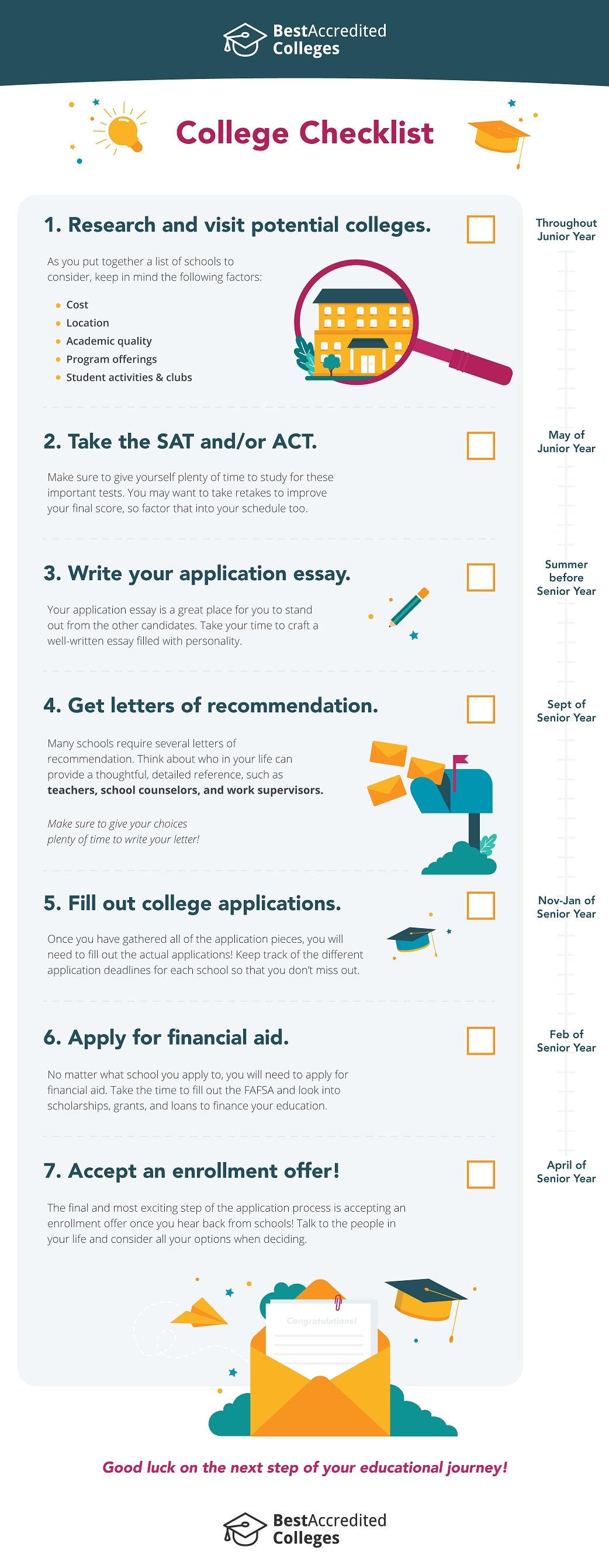
How to Apply for Florida Bright Futures in 2026-27?

Step 1: Create a Student Account
Students must create an account on the Florida student financial aid website.
This account helps track:
- Application status
- Required documents
- Award results
Step 2: Complete the Scholarship Application
Students fill out the Florida Financial Aid Application (FFAA).
This is required for Bright Futures eligibility.
Step 3: Submit Test Scores
Students must send official SAT or ACT scores.
Higher scores may qualify students for better scholarship levels.
Step 4: Report Volunteer Hours
Schools usually submit community service records.
Students should keep copies of all volunteer work.
Step 5: Graduate from High School
Final eligibility is confirmed after graduation.
Important Deadlines
Students must follow deadlines carefully.
Typical deadlines include:
- Application submission: Usually before high school graduation
- Test scores submission: Before evaluation deadlines
- Volunteer hours reporting: Before final review
Missing deadlines could result in losing eligibility for Florida Bright Futures in 2026-27.
Tips to Qualify for Florida Bright Futures



4
Students can increase their chances by following smart strategies.
1. Start Planning Early
Students should begin preparing in 9th grade.
Focus on:
- Good grades
- Advanced classes
- Community service
2. Maintain a Strong GPA
Grades are one of the most important factors.
Tips include:
- Study regularly
- Ask teachers for help
- Join study groups
3. Prepare for SAT or ACT
Test scores are critical.
Students should:
- Take practice tests
- Use study guides
- Join test prep programs
4. Complete Volunteer Work
Choose activities that help your community.
Examples include:
- Helping at local shelters
- Tutoring younger students
- Environmental projects
5. Track Your Progress
Keep records of:
- Grades
- Volunteer hours
- Test scores
This helps ensure you meet all requirements for Florida Bright Futures in 2026-27.
Common Mistakes Students Make
Many students lose scholarship opportunities because of simple mistakes.
1. Waiting Too Late to Prepare
Students who start preparing in their final year may struggle to meet requirements.
2. Ignoring Volunteer Hours
Community service is required. Many students forget to track their hours.
3. Missing Deadlines
Late applications may not be accepted.
4. Low Test Scores
Students who do not prepare properly may miss the required SAT or ACT scores.
5. Not Understanding Requirements
Every scholarship level has different criteria.
Students should review all requirements carefully for Florida Bright Futures in 2026-27.
How Much Money Does Bright Futures Provide?
The exact amount may change each year.
However, the program typically covers:
Florida Academic Scholars
- Up to 100% of tuition and fees
Florida Medallion Scholars
- Around 75% of tuition
Vocational Scholarships
- Funding for career education programs
These benefits make the Florida Bright Futures in 2026-27 scholarship one of the most valuable programs for Florida students.
Colleges That Accept Bright Futures
Students can use the scholarship at many institutions, including:
- Public universities in Florida
- Florida state colleges
- Some private institutions
Examples include:
- State universities
- Community colleges
- Technical institutes
Students should confirm that their chosen college accepts the scholarship.
Maintaining the Scholarship in College
Receiving the scholarship is only the beginning.
Students must continue meeting requirements while studying in college.
Typical rules include:
- Maintain minimum GPA
- Complete required credit hours
- Stay enrolled in an approved program
If students fail to meet these rules, they may lose their Florida Bright Futures funding.
Future of Florida Bright Futures in 2026-27
The scholarship program continues to evolve.
Possible future improvements include:
- Increased funding
- Expanded career education programs
- Updated test score requirements
The Florida Bright Futures in 2026-27 program will likely continue supporting students who work hard academically.
Education leaders understand that scholarships play a key role in helping students achieve their dreams.
Frequently Asked Questions (FAQs)
1. What is Florida Bright Futures?
Florida Bright Futures is a scholarship program that rewards students with good grades, test scores, and community service.
2. Who can apply for Florida Bright Futures in 2026-27?
Students who graduate from Florida high schools and meet GPA, test score, and volunteer requirements can apply.
3. How many volunteer hours are required?
The required hours vary depending on the scholarship level. Top awards may require around 100 hours.
4. Does Bright Futures cover full tuition?
The highest level scholarship often covers 100% of tuition at Florida public universities.
5. Can homeschool students apply?
Yes. Homeschooled students may qualify if they meet all academic and application requirements.
Summary
The Florida Bright Futures in 2026-27 scholarship program is one of the best opportunities for Florida students to receive financial support for college.
It rewards students who show dedication through strong grades, test scores, and community service.
By starting preparation early, maintaining a good GPA, completing volunteer hours, and submitting applications on time, students can greatly improve their chances of receiving this scholarship.
For many families, Bright Futures reduces the cost of higher education and helps students achieve their academic dreams without heavy financial stress.
Students who plan carefully today can become the next generation of Bright Futures scholars in 2026-27.