
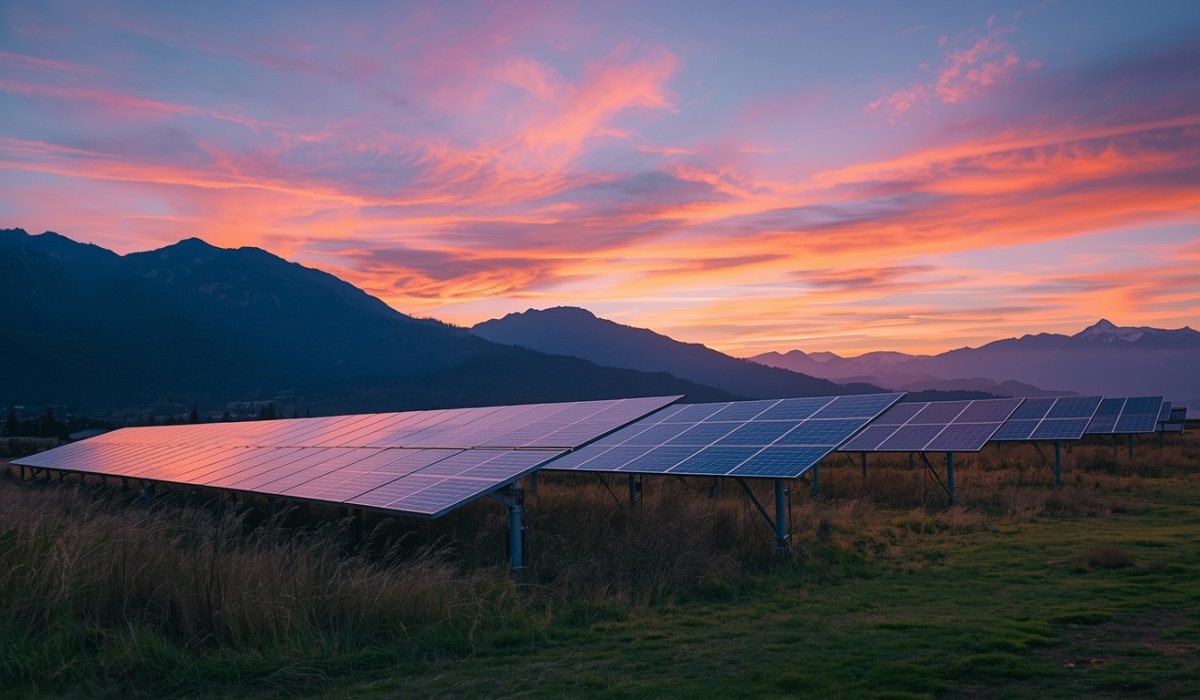
Green Energy Scholarships
Green Energy Scholarships: As the world races toward a cleaner, more sustainable planet, green energy scholarships are becoming a vital lifeline for students eager to dive into this booming field. With climate change at the forefront of global discussions, pursuing education in renewable energy sources like solar, wind, and hydropower isn’t just a smart career move—it’s a way to make a real difference.
In 2026, these scholarships are more accessible and generous than ever, helping cover tuition, research, and even hands-on training. Whether you’re a high school senior eyeing a degree in environmental engineering or a grad student focusing on sustainable policy, green energy scholarships can pave the way for your future without the burden of overwhelming debt.
This guide breaks down everything you need to know about green energy scholarships in 2026, from top opportunities to application tips. We’ll explore why this sector is exploding, share fresh data on industry trends, and offer practical advice to help you stand out. Let’s get started on turning your passion for the planet into a funded education.
What Are Green Energy Scholarships and Why Do They Matter?
Green energy scholarships are financial awards specifically designed to support students pursuing studies in renewable energy, sustainability, environmental science, and related fields. These aren’t your average grants—they often come from organizations deeply invested in combating climate change, like energy companies, nonprofits, and government bodies. In 2026, with global renewable energy capacity projected to grow by over 2.6 times its 2022 levels by 2030, these scholarships are crucial for building the workforce needed to meet that demand.
Why do they matter? For starters, the green energy sector is one of the fastest-growing industries worldwide. According to recent reports, renewables accounted for 93% of new U.S. power capacity additions through September 2025, with solar and storage leading the charge. By 2026, experts predict a surge in deployments as developers adapt to new sourcing rules and tariffs.
Potentially adding between 30 GW and 66 GW annually in solar, wind, and storage through 2030. This growth translates to jobs—lots of them. The International Energy Agency forecasts that renewable energy, especially solar, will grow faster than any other major source through 2035, creating opportunities in everything from engineering to policy.
But education in these areas can be expensive. Green energy scholarships bridge that gap, often prioritizing students from underrepresented communities, those with strong academic records, or individuals demonstrating a commitment to sustainability.
They not only ease financial stress but also connect recipients with networks, internships, and real-world projects. Imagine getting funded to study solar panel efficiency while interning at a leading renewable firm—that’s the power of these awards.
The Booming Green Energy Industry in 2026: Trends and Statistics
Before diving into specific scholarships, it’s worth understanding the landscape. The green energy industry in 2026 is set for resilience and competition, driven by massive investments and technological advances. Global energy investment hit $3.3 trillion in 2025, with $2.2 trillion going into clean technologies like renewables and EVs. This trend continues, with renewables projected to meet over 90% of electricity demand growth and surpass coal as the top source by mid-2026.
Key trends include:
- Solar and Wind Dominance: Solar additions peaked in 2025 but remain strong, with China leading at around 200 GW in 2026. In the U.S., 97% of solar providers plan to expand capacity in the next three years.
- Energy Storage Surge: Batteries are key for grid reliability, with deployments accelerating to support AI-driven power demands, which could account for half of U.S. electricity growth by 2030.
- Policy and Affordability Shifts: Despite some policy reversals reducing projected capacity by 30%, clean energy supports affordability with the right investments. Renewables and natural gas provided 66% of U.S. electricity in 2025, up from 41% a decade ago.
- Job Creation: The sector’s growth means more roles in engineering, installation, and research. For instance, offshore wind is expected to add 140 GW globally by 2030.
These statistics highlight why investing in green energy education now is timely. With EVs making up a quarter of global markets and solar costs halving predictions from a decade ago, the industry is ripe for innovation.
Top Green Energy Scholarships for 2026
In 2026, a variety of green energy scholarships are available, ranging from $500 to $25,000. Here’s a curated list of standout opportunities, complete with details on amounts, deadlines, eligibility, and how they tie into green energy. We’ve focused on those emphasizing renewables, sustainability, and environmental impact.
To make comparison easy, here’s a table summarizing key ones:
| Scholarship Name | Amount | Deadline | Eligibility | Focus Area |
|---|---|---|---|---|
| SOLV Energy PowerUp! Renewable Energy Scholarship | $1,500 (up to 6 awards) | May 29, 2026 | High school seniors in the U.S., min. 3.0 GPA, pursuing trade school or college in clean energy | Solar and renewable energy careers, with one reserved for Indigenous students |
| Everlight Solar Clean Energy Scholarship | $5,000 | Varies by university (e.g., Jan 9, 2026 for some) | Students at partner universities (e.g., UW, UMinn) | Clean energy futures, solar innovation |
| TC Energy Scholarships | Up to $5,000 | Ongoing for 2026/2027 | U.S. citizens/permanent residents near TC operations, enrolled full-time | Renewable energy and community impact |
| Les Nelson Scholarship Fund for Volunteers | Varies (covers exam fees, etc.) | November 1, 2025 (for 2026) | Individuals with volunteer experience in solar PV or heating | Solar industry credentialing |
| American Solar Energy Society (ASES) Scholarships | $500 – $3,000 | Varies | Students and young professionals in renewables | Solar energy careers, including Don Aitken and Wenger Shugar awards |
| Solar Energy International (SEI) Scholarships | Varies (tuition coverage) | Ongoing | Aspiring solar professionals, marginalized communities | Solar training, including Johnny Weiss and Commercial Solar |
| National Hydropower Association Past Chairs’ Legacy Scholarship | $2,500 | February 2026 | Students in engineering, hydro, fisheries | Clean, renewable waterpower |
| AEE Foundation Scholarships | Varies | April 26, 2026 | Students in energy efficiency | Energy sustainability via local chapters |
| ASHRAE Undergraduate Engineering Scholarships | $3,000 – $10,000 | December 1, 2025 | Undergrads in energy fields | Energy efficiency, decarbonization |
| Udall Scholarship | $7,497 | March 3, 2026 | Undergrads in environmental fields | Environmental leadership |
Diving deeper:
- SOLV Energy PowerUp! Scholarship: This program empowers high school seniors passionate about clean energy. With applications opening February 17, 2026, it’s perfect for those heading to trade schools or colleges focused on sustainability. One award is dedicated to Indigenous students, highlighting inclusivity in renewables.
- Everlight Solar Clean Energy Scholarship: Aimed at students at select universities, this $5,000 award supports those envisioning a clean energy future. Deadlines vary, but early applications in January 2026 are key for spots at places like Utah State.
- TC Energy Scholarships: Offering over 800 awards across North America, this is ideal for community-focused students near energy operations. Up to $5,000 for full-time enrollment in 2026/2027.
- Energypath 2026 Scholarships: For students and educators in renewable energy, applications opened in November 2025. It covers conference attendance and training from July 12–16, 2026.
- Les Nelson Scholarship: Targets volunteers entering solar industries, covering certification fees. Submit by November 1, 2025, for 2026 benefits.
And that’s just a sampling. Other notables include the Foundation for Natural Resources and Energy Law LLM Scholarship ($2,000-$15,000 for energy law students) and Constellation Energy scholarships for STEM fields. Research each to match your profile.
Eligibility Criteria for Green Energy Scholarships
Most green energy scholarships in 2026 share common requirements, but specifics vary. Generally, you’ll need:
- Academic Excellence: A minimum GPA of 3.0 is common, like for SOLV Energy.
- Field of Study: Degrees in environmental science, engineering, sustainability, or renewables. For example, TC Energy prioritizes energy-related programs.
- Demographic Factors: Many target underrepresented groups, such as Indigenous students or those from low-income backgrounds, as seen in SEI’s Johnny Weiss Scholarship.
- Essays and Projects: Demonstrate passion through essays on renewable benefits, like UAMPS’ requirement for a 500-1,000 word piece.
- Residency and Citizenship: U.S. focus for many, but some are international.
Check official sites for updates, as criteria can evolve.
How to Apply for Green Energy Scholarships? Step-by-Step Guide
Applying can feel overwhelming, but breaking it down helps. Start early—many deadlines are in early 2026.
- Research Thoroughly: Use sites like Scholarships.com for lists. Tailor applications to each.
- Gather Documents: Transcripts, recommendations, resumes highlighting eco-volunteering.
- Craft Compelling Essays: Focus on your vision for green energy. For instance, discuss how renewables can address 2026’s AI power demands.
- Submit On Time: Use online portals; track with a spreadsheet.
- Follow Up: Some require interviews.
Pro tip: Apply to multiple—stacking awards is possible.
Tips for Winning Green Energy Scholarships
To stand out:
- Show Impact: Highlight projects, like leading a school solar initiative.
- Network: Join groups like ASES for mentorship.
- Stay Current: Reference 2026 trends, like renewables overtaking coal.
- Proofread: Errors can disqualify.
- Seek Feedback: Get input from teachers.
Winners often combine strong academics with genuine passion.
The Broader Impact of Green Energy Scholarships
These scholarships do more than fund education—they shape the future. Recipients contribute to innovations like efficient batteries or sustainable fuels, where renewables in transport are set to grow 50% by 2030. Stories abound: A past Udall scholar now leads wind projects, reducing emissions.
In 2026, with clean energy investment at $2.2 trillion, scholarship alumni are at the helm.
FAQs About Green Energy Scholarships
What are the best green energy scholarships for undergraduates in 2026?
Top picks include the Udall Scholarship ($7,497, deadline March 3) and SOLV Energy PowerUp! ($1,500, May 29), focusing on environmental leadership and renewables.
How can I find green energy scholarships near me?
Search local energy firms like TC Energy or use databases filtering by location. Many prioritize residents near operations.
Are there green energy scholarships for international students?
Yes, some like WWF Conservation Leadership Award ($5,000, July 31) are open globally, emphasizing biodiversity and climate.
What GPA do I need for most green energy scholarships?
Typically 3.0 or higher, but leadership and essays can outweigh grades, as in Everlight Solar’s program.
Can green energy scholarships cover graduate studies?
Absolutely—options like the Foundation for Natural Resources and Energy Law (up to $15,000) support LLM in energy law.
Conclusion: Take Action on Your Green Energy Journey
Green energy scholarships in 2026 offer incredible opportunities to fund your education while contributing to a sustainable world. With industry growth accelerating and fresh data showing renewables leading the charge, now’s the time to apply. Don’t wait—research options, polish your application, and submit before deadlines hit.
Ready to power up your future? Start by visiting scholarship websites today and apply to at least three that fit your profile. Your sustainable career awaits—make 2026 the year you invest in the planet and yourself.