
Post Pandemic Education in the Philippines
Post Pandemic Education in the Philippines: The sound of a school bell means something different now. For years, Philippine education faced a huge challenge. Classrooms became quiet, and screens turned into the main place for learning. That time has passed, but school did not simply go back to how it was before.
We are now in a new phase called post-pandemic education in the Philippines. This new system is not just about returning to old ways. It is about building something stronger and more flexible for all Filipino students.
The latest developments show a system learning from its recent past, mixing the best of traditional and modern methods. This article explains the current state of post-pandemic education, focusing on the newest approaches shaping the future of learning in the nation.
A New Blend of Learning Formats
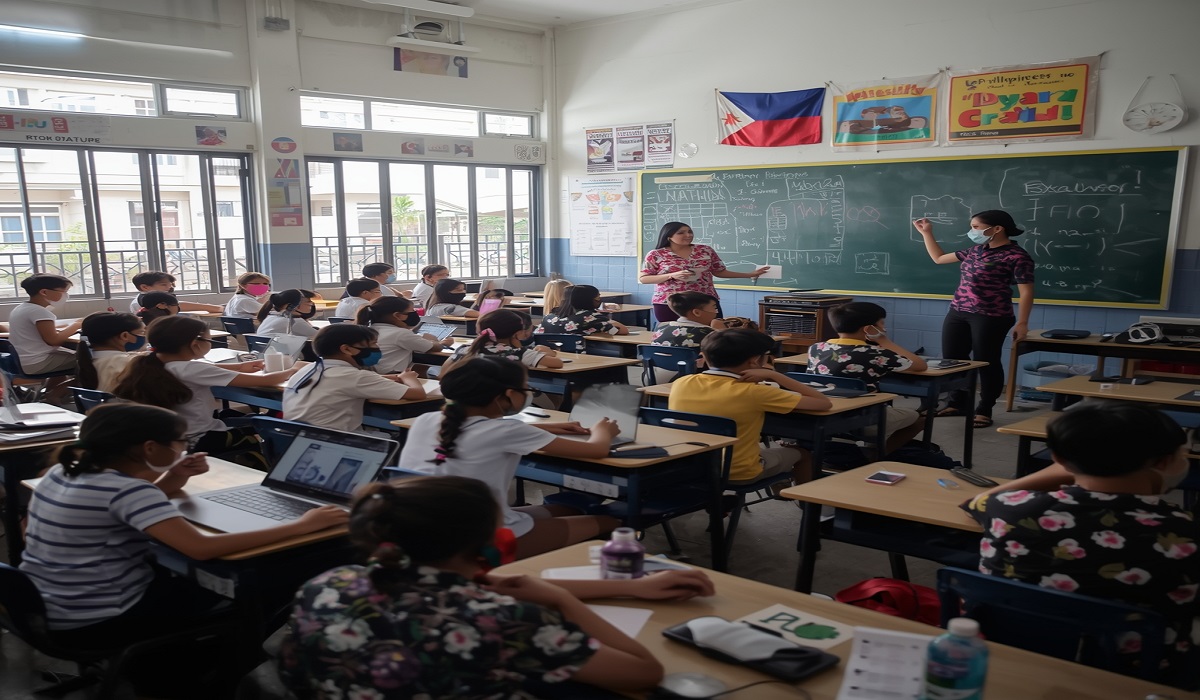
The most noticeable change in post-pandemic education in the Philippines is the move away from a single method. The country no longer relies only on fully online or fully in-person classes. Instead, schools have created a blended approach. This mix is a core part of the latest educational strategy.
Many schools now combine face-to-face meetings with online activities. A student might attend physical classes for subjects needing hands-on work, like science experiments or vocational training. Then, they might use a secure online platform for reading assignments or group discussions.
This model provides flexibility. It helps families manage schedules and travel while ensuring students get important social time. The Department of Education supports this blended framework, allowing schools to adapt it based on their community’s needs and resources.
This shift required significant effort. Teachers received training to manage both physical and digital classrooms. Schools improved their internet connectivity and distributed learning modules for areas with poor signal.
The goal was to make post-pandemic education inclusive. The blended format aims to reach students in crowded cities and remote provinces equally. It acknowledges that a one-size-fits-all model does not work for an archipelago with diverse challenges.
Student Well-Being Takes Center Stage
After a period of isolation and stress, the emotional health of learners became a clear priority. The latest focus in post-pandemic education in the Philippines directly addresses mental and social wellness. Schools understand that a student who is anxious or sad cannot focus on math or history. Therefore, support systems are now a standard part of the school environment.
Guidance counselors and teachers now have programs to help students adjust. These programs teach coping skills and create open spaces for conversation. Simple activities like morning check-ins or peer support groups help rebuild a sense of community.
The curriculum also includes topics about handling emotions and building resilience. This focus aims to heal the unseen wounds from the pandemic period, making schools a safer place for minds and hearts.
Furthermore, academic pressure has been reconsidered. Some schools have adjusted grading systems to be more forgiving during this transition. The emphasis is on understanding concepts rather than just memorizing for tests.
This approach in the post-pandemic education landscape shows a shift in values. Student well-being is not a separate program; it is the foundation upon which academic learning is built.
The Lasting Role of Digital Tools
While students have returned to classrooms, technology has not disappeared. Digital tools that became essential during lockdowns now serve a new purpose. They are permanent partners in the modern learning process. This integration is a key feature of the latest post-pandemic education in the Philippines.
Educational software and platforms are used to make lessons more engaging. Teachers might use a quiz app for a quick review or a collaborative document for a group project. These tools help personalize learning.
A student who needs more practice can use a tutorial program at their own speed. Another student who is ahead can find more challenging material online. Technology also improves communication between teachers, students, and parents through official school channels and messaging apps.
However, the use of technology is now more thoughtful. The aim is not to keep students on screens all day. It is to use the right tool for the right task. For example:
- A video call might connect a classroom in Manila with a scientist in Davao.
- An audio recording can help a student practice reading aloud.
- A digital portfolio can track a student’s progress over the entire school year.
This strategic use defines the current phase of post-pandemic education. Technology is a powerful assistant, not the sole teacher.
Addressing the Gaps in Learning
A major concern for educators was learning loss—the skills and knowledge students missed during school disruptions. The latest initiatives in post-pandemic education in the Philippines actively tackle this issue. Schools are not just moving forward; they are filling in the gaps to ensure no student is left behind.
Specific programs identify students who need extra help. These include after-school tutoring sessions, targeted reading camps, and summer learning programs. Instruction is often given in smaller groups so teachers can pay closer attention to each learner.
The focus is on core skills like literacy (reading) and numeracy (math), which are critical for all other subjects. These recovery efforts are a fundamental part of the post-pandemic education strategy, ensuring a strong base for future learning.
Parents are also encouraged to be partners in this process. Schools provide guides on how to support learning at home through simple activities. Community learning hubs in barangays offer extra support, especially for families without reliable internet. Closing the learning gap is a community-wide effort, showing the collective commitment to rebuilding a stronger post-pandemic education in the Philippines.
Training Teachers for a New Era
The shift changed the teacher’s role completely. Today’s educators are facilitators, tech guides, and wellness supporters. To make post-pandemic education in the Philippines successful, continuous teacher training is essential. The latest professional development programs reflect this new reality.
Training now covers digital literacy, such as using new software and creating online content that is accessible. It also includes strategies for managing a blended classroom and identifying signs of student distress.
Teachers learn how to design lessons that are interactive and applicable to real-world situations. This empowers them to go beyond the textbook and create meaningful learning experiences. Investing in teachers is investing in the quality of the entire post-pandemic education system.
Moreover, teachers are building networks to share best practices. They collaborate online to solve common problems and share successful lesson ideas. This culture of sharing and support makes the teaching profession more adaptable and innovative, which directly benefits every Filipino student.
Rethinking What is Important to Learn
The pandemic made people rethink what matters. This reflection has reached the curriculum. While core subjects remain, there is a growing emphasis on skills that help students navigate an uncertain world. This evolution is a thoughtful part of post-pandemic education in the Philippines.
Critical thinking and problem-solving are now taught more explicitly. Students work on projects that require research, analysis, and creative solutions. Financial literacy lessons teach how to budget and save.
There is also more focus on practical life skills and vocational training, offering various paths to success. The curriculum in this post-pandemic education era aims to create not just good students, but capable and informed citizens.
Subjects like health education have expanded to include reliable information on community health. Media literacy teaches students how to find facts online and avoid false information. These updates prepare young Filipinos to make better decisions for themselves and their communities, building a more resilient society.
Looking Ahead: The Future of Philippine Education
The path of post-pandemic education in the Philippines is still forming. The latest trends point toward a system that is more flexible, compassionate, and connected. The future will likely see a smoother blend of learning methods, with technology becoming even more seamless. The conversation about student well-being and well-rounded learning is here to stay.
The goal is a system that can withstand future challenges without closing its doors. It aims to provide a quality education for every child, whether they live in a high-rise in Makati or a farming village in Bukidnon. The lessons from the past few years are difficult, but they guide the way forward. The ongoing transformation of post-pandemic education in the Philippines is a story of resilience and hope for the next generation.
Frequently Asked Questions
1. What does “blended learning” mean in Philippine schools today?
Blended learning now refers to a planned mix of in-person classes and online activities. It is not a temporary solution but a standard part of the post-pandemic education in the Philippines. A student’s week might include days at school for group work and lab sessions, and time at home for guided online lessons or project research, using the best method for each task.
2. How are schools helping students who fell behind?
Schools have implemented targeted programs to address learning loss, a key focus of post-pandemic education. These include specialized tutoring, reading and math recovery programs, and adjusted pacing in lessons. Teachers identify specific needs and provide extra support during or after school to help students build missing skills.
3. Is online learning completely over?
No, online learning is not over. It has transformed from the main method into a useful tool. In the current post-pandemic education landscape, digital platforms, educational apps, and online resources complement face-to-face teaching. They allow for review, enrichment, and flexible collaboration.
4. How has the role of a teacher changed?
A teacher’s role has expanded significantly. They are now facilitators of both physical and digital spaces, designers of blended lessons, and observers of student well-being. Professional development for post-pandemic education trains teachers in new technologies, inclusive strategies, and ways to support mental health.
5. What is the biggest difference in the new curriculum?
The curriculum now places a stronger emphasis on applied skills alongside academic knowledge. This includes critical thinking, digital literacy, financial awareness, and health education. The post-pandemic education in the Philippines aims to equip students with practical skills to solve real-life problems.
Conclusion
The landscape of learning has been permanently altered. Post-pandemic education in the Philippines is not a return to a former state, but an evolution toward a more responsive and resilient system. The latest developments show a clear path: blending traditional and digital methods, prioritizing the whole child, and equipping both students and teachers for a complex world.
While challenges remain, the collective focus on flexibility, well-being, and foundational skills is building a more inclusive and robust future for all Filipino learners. The journey of education continues, shaped by recent experience and moving forward with purpose.