
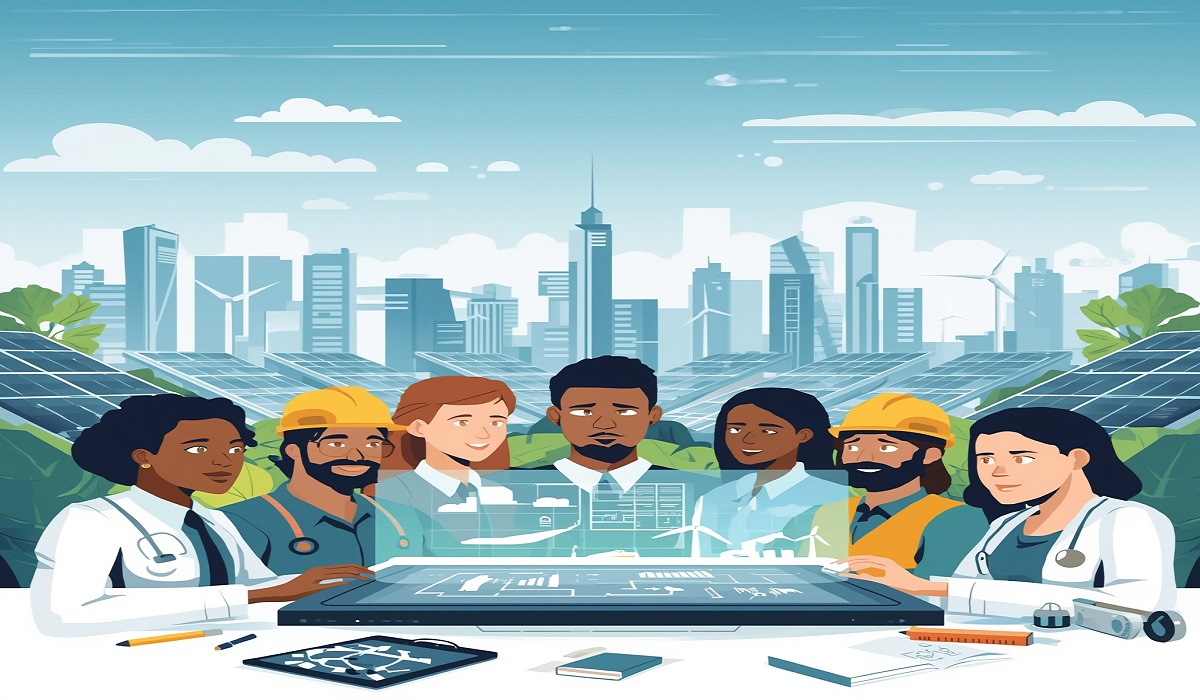
Sustainable Engineering & Innovation
Sustainable Engineering & Innovation: The world faces important challenges. Our cities grow. Our resources shrink. And our climate changes. This is where sustainable engineering comes in. It is not just a trend. It is a necessary shift in how we build our world. This field blends smart design with care for our planet. It asks a simple question: how can we meet our needs without harming the future?
The answer lives in constant innovation. Sustainable Engineering & Innovation means creating solutions that work for people, the economy, and the environment, all at once. This article explores the latest ideas in this vital field. We will look at real projects that show what is possible. We will see how engineers turn problems into opportunities for a healthier planet.
What Defines Modern Sustainable Engineering?
Sustainable engineering goes beyond using recycled materials. It is a complete way of thinking. This approach considers a product or building’s entire life, from the first idea to its final use. The goal is to cause the least harm possible.
Modern Sustainable Engineering & Innovation focuses on systems. It looks at how a water system, an energy grid, and a transportation network connect. Changing one part affects the whole.
This field relies on a few main ideas. First, it uses resources wisely, choosing things that renew themselves. Second, it tries to design out waste, seeing used materials as new resources. Third, it protects and helps nature, rather than only taking from it. Today’s engineers use advanced tools to make this happen.
They run complex models to see a design’s future impact. They find new uses for old industrial byproducts. The latest work in Sustainable Engineering & Innovation is about smart connection, not just single gadgets.
Core Principles Guiding the Latest Sustainable Design
The latest projects follow clear, strong principles. These rules guide every decision an engineer makes.
- Thinking in Full Cycles: Engineers now design with the end in mind. They plan for how a building will be taken apart or how a phone can be easily repaired. This “circular” thinking turns old waste into new material.
- Using Energy with Extreme Care: The best design uses very little energy from the start. This means buildings that need less heating or cooling. It means factories that reuse heat from machines. Then, any needed power comes from clean sources like the sun or wind.
- Working with Nature, Not Against It: This principle is called biomimicry. Engineers learn from nature’s 3.8 billion years of design. They create cooling systems based on termite mounds or materials inspired by spider silk. Nature’s solutions are often efficient and waste-free.
- Making Social Good a Requirement: True Sustainable Engineering & Innovation must help people. It provides clean water, safe housing, and reliable energy. It makes sure communities have a voice in projects. A solution is only sustainable if it improves lives.
Notable Examples of Sustainable Engineering in Action
Real-world projects show these principles at work. They prove that sustainable solutions are practical and powerful today.
One example is in the world of concrete. Concrete is everywhere, but making it creates a lot of carbon dioxide. Sustainable Engineering & Innovation has found an answer. Companies now make concrete that actually pulls carbon from the air.
They use special curing methods and a mineral called olivine. This turns a major polluter into a tool for cleaning the atmosphere.
Another example comes from agriculture. Farms use a huge amount of fresh water. Engineers have created smart irrigation systems. These systems use sensors in the soil and weather data.
They give each plant the exact water it needs, not a drop more. This technology conserves a precious resource and helps farmers grow more food.
In cities, Sustainable Engineering & Innovation transforms waste. Some cities now have buses that run on biogas made from food scraps and sewage. This solves two problems: it handles organic waste and creates clean fuel. It turns a cost into a benefit for the city’s transportation.
How Innovation Drives Sustainable Engineering Forward?
Innovation is the engine for sustainable engineering. It provides the new tools and methods to solve tough problems. Today, this innovation often happens in the digital world. Artificial intelligence (AI) helps design stronger, lighter structures with less material. It optimizes traffic flow in cities to cut down on car pollution. AI also manages complex energy grids, balancing solar and wind power with battery storage.
New materials are another area of fast progress. Scientists develop self-healing concrete that seals its own cracks. They create insulation from mushrooms or packaging from seaweed. These biomaterials grow quickly and break down harmlessly.
They replace plastics and foams that last for centuries in landfills. This type of Sustainable Engineering & Innovation closes the loop on material use.
The Role of Policy and Education in Sustainable Development
Good engineering needs supportive rules and skilled people. Government policies can encourage or require sustainable practices. Tax credits for solar panels, stricter building codes, and bans on single-use plastics are all policy tools.
They create a market for green solutions. Carbon pricing, where polluters pay for their emissions, makes sustainable options more affordable. These policies shape the future of Sustainable Engineering & Innovation.
Education builds the workforce for this future. Schools and universities now teach sustainability from the start. Engineering students learn about life-cycle analysis and environmental science. They work on projects that serve local communities.
This training prepares a new generation. These engineers will see every problem through the lens of people, planet, and prosperity.
Future Directions for Sustainable Engineering & Innovation
The path ahead for sustainable engineering is bright and full of potential. We will see more integration of technology into our everyday environment. Imagine roads that charge electric cars as they drive. Think of windows that are also clear solar panels. Future cities may have large-scale systems that direct rainwater for gardens and toilets.
Another direction is hyper-local production. Sustainable Engineering & Innovation could lead to small community factories. These facilities would use local recycled materials to make goods for the neighborhood. This cuts down on transportation emissions and supports local economies. The focus will shift from giant, distant supply chains to resilient, local loops.
The biggest frontier is equity. The next wave of innovation must ensure everyone benefits. Engineers will work harder to bring clean water, energy, and safe housing to underserved communities worldwide. The true measure of Sustainable Engineering & Innovation will be a healthier planet for all people.
Frequently Asked Questions About Sustainable Engineering
What is a simple way to explain sustainable engineering?
Sustainable engineering is a way to design and build things. It aims to meet what people need now without making problems for our children and grandchildren. It carefully balances our use of resources, health of the environment, and health of our communities.
How does sustainable engineering affect my daily life?
It affects you in many quiet ways. Might be in the cleaner air from electric buses in your city. It could be the lower energy bill from a better-insulated home. And it is in the recycling system that turns your bottle into a park bench. These systems, designed by sustainable engineers, create a healthier, more efficient daily life.
Can sustainable engineering truly help with climate change?
Yes, it is one of our most powerful tools. This field directly works on the largest sources of planet-warming gases. It redesigns how we make electricity, build our homes, move around, and grow food. By creating low-carbon and zero-carbon solutions, it tackles the root causes of climate change.
What is the difference between “green” and “sustainable” engineering?
“Green” often focuses only on environmental benefits. “Sustainable” is a broader idea. It includes the environment, but also asks if a solution is fair for society and makes long-term economic sense. A “green” product might use less energy. A “sustainable” product uses less energy, is made under fair worker conditions, and is affordable to maintain.
What skills are needed to become a sustainable engineer?
Beyond strong math and science skills, a sustainable engineer needs systems thinking. This means seeing how pieces connect into a whole. They need creativity to find new solutions. They also need communication skills to work with communities and explain their ideas clearly to the public.
Conclusion
The journey of Sustainable Engineering & Innovation is ongoing. It is a field built on the simple idea that we can do better. We can design cities that are not just concrete jungles, but living ecosystems. We can create industries that do not take from the earth, but work with its cycles. The latest work shows this is not a dream for the future. It is happening now in concrete that cleans the air, farms that save every drop of water, and policies that support good design.
This progress needs all of us. It needs engineers to create, policymakers to support, educators to teach, and the public to choose sustainable options. When we focus our creativity on solutions for people and the planet, we build more than structures. We build the foundation for a thriving, resilient world. The work of sustainable engineering is, ultimately, the work of hope—made real through calculation, design, and a deep care for our shared home.