
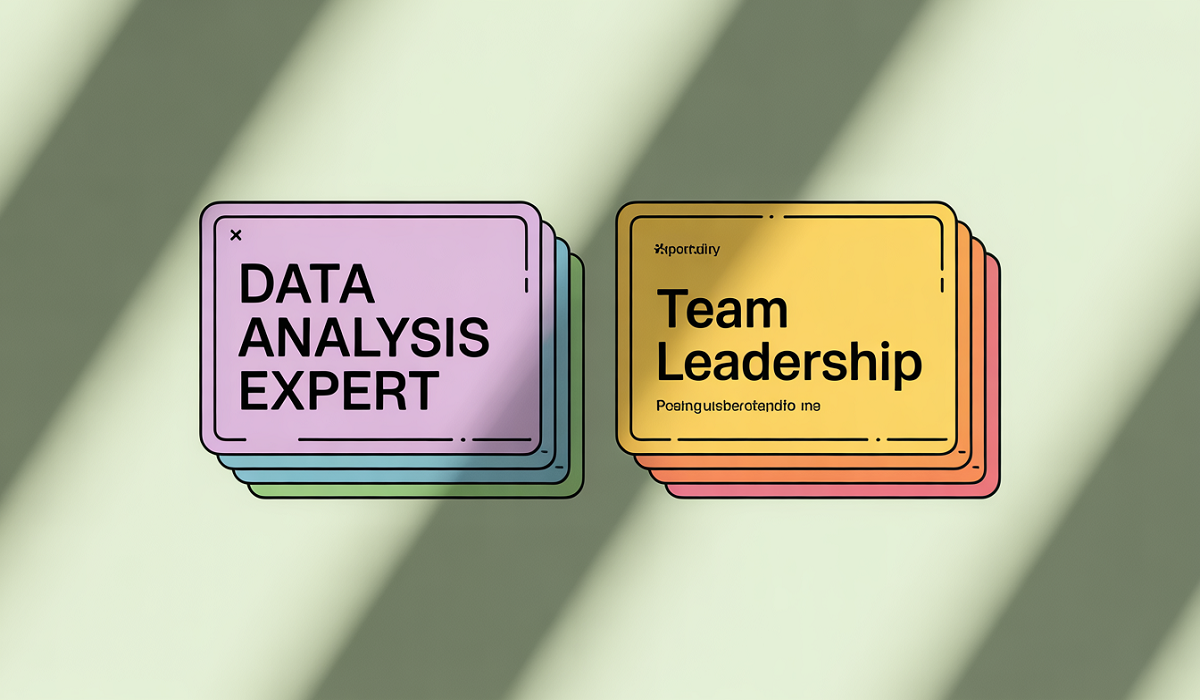
Stackable Digital Badges
Stackable Digital Badges: Imagine you finish high school or a training program. You get a nice piece of paper. It says you “passed.” But does it tell an employer if you can lead a team meeting? Does it show you know how to use new AI tools? Does it prove you stayed calm while helping an angry customer?
In 2026, the answer is no.
That’s why more than 8,000 companies—from Google to Hilton to local banks—now look for stackable digital badges employability skills 2026 before they even read your resume. These aren’t just gold stars. They are tiny, verifiable, digital records of exactly what you learned and how you used it.
And the best part? You can stack them like Lego bricks. One badge for communication. Another for data entry. Another for conflict resolution. Soon, you have a tower of skills that says, “I’m ready to work.”
This article walks you through everything you need to know. No fancy college words. No fluff. Just real talk about how to earn, stack, and use digital badges to land a good job in 2026.
Chapter 1: What Exactly Is a Stackable Digital Badge?
Let’s start simple.
A digital badge is like a online medal. But instead of winning a race, you earn it by proving a skill. You might watch a short video series, pass a quick test, or complete a small project. Then—ping—the badge appears in your online wallet (LinkedIn, a special app, or a portfolio).
Stackable means you can combine small badges into bigger ones. For example:
- Badge 1: “Active Listening”
- Badge 2: “Giving Clear Feedback”
- Badge 3: “Running a 5-Minute Meeting”
Stack them → You earn a “Team Communication” badge. Stack that with “Conflict Resolution” and “Project Planning” → You earn a “Junior Team Lead” micro-credential.
Think of it like a video game. You don’t fight the final boss on day one. You collect smaller power-ups first. Work is the same now.
By 2026, employers expect to see these badges because they are:
- Verifiable – One click shows exactly when you earned it and what you did.
- Portable – They stay with you forever, not locked inside one school or company.
- Granular – They show tiny skills that big degrees hide.
Chapter 2: Why 2026 Is the Tipping Point for Employability Skills Badges
You might be thinking: “Okay, but people have talked about digital badges for years. Why now?”
Three big reasons.
The “Degree Inflation” Crash
For decades, companies asked for a bachelor’s degree for jobs that didn’t need one. But by 2024-2025, worker shortages and high tuition costs broke that system. Employers realized: a degree doesn’t guarantee you can actually do the job.
Now in 2026, over 60% of U.S. job postings for mid-level roles accept a “skill credential or equivalent experience.” That’s code for “show me your stackable digital badges.”
AI Made Old Hiring Tools Useless
Recruiters used to scan resumes for keywords. Then AI tools started writing thousands of fake-perfect resumes. Now, no one trusts a PDF resume alone. But a digital badge is cryptographically signed by the issuer (a college, a company, or a training platform). You can’t fake it.
Workers Want Faster, Cheaper Paths
Student debt in the U.S. passed $1.7 trillion. Many young people don’t want to spend four years and $100,000 to get an entry-level job. Stackable digital badges cost between $0 and $200 each. Some are free. You can earn three badges in a weekend.
That speed and low cost match what Gen Z and Gen Alpha want: proof of skills now, not someday.
Chapter 3: The Top 10 Employability Skills You Can Badge in 2026
Not all badges are equal. Employers have clear favorites. Here are the most-wanted stackable digital badges employability skills 2026 that actually lead to interviews.
| Skill Area | Example Badge Name | What You Prove |
|---|---|---|
| Communication | “Clear Email Writing” | You can write a work email that gets results |
| Teamwork | “Remote Collaboration” | You used Slack, Zoom, or Asana with a team |
| Problem-solving | “Troubleshooting Basic Tech Issues” | You fixed common software problems alone |
| Digital literacy | “Using AI Prompts for Work” | You can get useful answers from ChatGPT or Copilot |
| Customer service | “De-escalating Angry Customers” | You handled a tough conversation professionally |
| Project management | “Breaking Down a Small Project” | You turned a task list into a timeline |
| Data basics | “Reading a Simple Spreadsheet” | You can find averages, sums, and make a chart |
| Leadership | “Leading a 3-Person Team for One Week” | You delegated and checked progress |
| Adaptability | “Learning a New Software in 3 Days” | You documented how you learned something fast |
| Work ethic | “Meeting Five Deadlines in a Row” | You showed reliability |
These aren’t fake “soft skills” anymore. Each badge includes a real artifact: a video of you talking, a spreadsheet you made, or a message from a supervisor confirming your work.
Chapter 4: Where to Earn Real Stackable Digital Badges (Free & Paid)
You don’t need to enroll in a fancy university. In 2026, badge providers are everywhere. Here are the most trusted ones.
Free or Low-Cost Platforms
- Coursera – Many free courses now issue badges. Pay only for the verified credential ($49–$99).
- IBM SkillsBuild – Completely free. Great for AI, cloud, and cybersecurity badges.
- Microsoft Learn – Free digital badges for Excel, Teams, and basic coding.
- Google Career Certificates – Not free but low-cost ($39/month). Each certificate breaks into 5–7 stackable badges.
- Badgecraft – Used by many non-profits and community colleges. Often free for residents.
Employer-Issued Badges (Even Better)
Many companies now give badges to their own workers. If you have a part-time job at a grocery store, coffee shop, or call center, ask your manager:
- “Does our company issue digital badges for skills like inventory counting or customer returns?”
- If not, ask: “Can I earn a badge from an outside program and add it to my employee profile?”
Some forward-thinking companies in 2026 actually require badges for raises. Walmart, for example, gives $1/hour more for every three stackable badges earned.
Community Colleges and Adult Ed
Over 1,200 community colleges now offer “badge pathways” instead of full degrees. You can earn a “Medical Office Communication” badge in 8 hours. Then stack it with “Medical Billing Basics” and “Patient Privacy Laws.” That stack equals a certificate that gets you a job as a medical receptionist.
Chapter 5: How to Stack Badges Like a Pro (Real Example)
Let’s walk through a real person’s journey.
Name: Maria, age 19
Goal: Get a job as a junior project coordinator (no degree)
Starting point: High school diploma, one summer as a camp counselor
Month 1:
- Earns “Effective Email Communication” badge (free via local library’s LinkedIn Learning account)
- Earns “Google Calendar for Teams” badge (free, Google Skills)
Month 2:
- Earns “Breaking Down Tasks into Steps” badge (Coursera, $49)
- Earns “Running a 15-Minute Standup Meeting” badge (IBM SkillsBuild, free)
Stack result after Month 2:
She now has a “Basic Project Support” micro-credential. She adds it to her LinkedIn. Two recruiters message her.
Month 3:
- Earns “Introduction to Trello” and “Using Asana for Task Tracking” (both free via Atlassian University)
- Earns “Collaborating with Remote Teams” (Microsoft Learn, free)
Stack result after Month 3:
She stacks the project support badge + two tool badges + remote collaboration badge = “Project Coordinator Ready” badge. This is her golden ticket.
Result by Month 4:
Maria applies to 12 jobs. She includes a link to her badge wallet. Seven interviews. Two job offers. One starting at $52,000/year with no degree and no prior office job.
That’s the power of stackable digital badges employability skills 2026.
Chapter 6: How Employers Actually Verify Your Badges (No Cheating)
You might think: “Can’t I just photoshop a badge?” No. Here’s why.
Every real digital badge uses open badge technology (version 2.1 or 3.0 by 2026). That means each badge contains hidden metadata. When an employer clicks on your badge, they instantly see:
- Who issued it (e.g., “Google,” “University of North Texas,” “IBM”)
- When you earned it (exact date and time)
- What you did to earn it (e.g., “Passed a proctored exam with 92%” or “Completed a 10-hour project reviewed by a mentor”)
- A link to the actual work you submitted (video, document, code)
Some badges also include “endorsements.” That means a real human manager or teacher added a short note: “Maria led our weekly team update without reminders. Great work.”
Employers in 2026 love this because they can’t be fooled. A study by the Credential Engine found that badges reduce hiring mistakes by 43% compared to just looking at a resume.
Chapter 7: Displaying Your Badges Where It Counts
Earning badges is only half the battle. You have to show them off.
LinkedIn (Still King in 2026)
LinkedIn now has a dedicated “Badges & Micro-Credentials” section above your work experience. You can pin your top three badges. Recruiters can filter searches by specific badges.
Pro tip: When you message a recruiter, write: “I see you’re hiring for [job]. I have the [badge name] and [badge name] which match your required skills. Here’s my badge wallet link.”
Badge Wallets (Better Than a Resume Link)
Services like Badgr, Credly, and Accredible let you create one public link that shows all your badges sorted by category. Put that link on your email signature, your resume footer, and your text message auto-reply.
Some people in 2026 even put a QR code on their physical resume that links directly to their badge wallet.
Your Personal Website (Super Easy Now)
You don’t need coding skills. Platforms like Carrd or Linktree for Badges (new in 2025) let you build a one-page site in 10 minutes. Just paste your badge wallet link and add a photo.
Chapter 8: The Dark Side – Badge Mills and Fake Credentials
Not everything that glitters is gold. By 2026, a few shady websites sell “instant badges” for $5. They promise you can become a “Certified Project Manager” in one hour without any test.
Avoid these. Why?
- Employers know the good issuers. If your badge comes from “FastCertNow.com,” they’ll ignore it.
- Some badge mills have been sued for fraud. Your name gets added to a blacklist.
- Real badges require real work. If it feels too easy, it’s fake.
How to check if a badge issuer is real:
Look for the “1EdTech TrustEd Badge” seal. That means a third-party organization has verified the issuer’s quality. Also, see if real employers list that badge in job postings. Search: “[Badge name] + jobs 2026.”
Chapter 9: The Future – Where Badges Are Headed After 2026
This is not a trend. By 2027–2028, experts predict:
- High schools will replace “senior projects” with a required stack of 10 employability badges to graduate.
- Unions will use badges to track apprenticeship progress. Finish a badge → get a wage bump.
- Government benefits (like unemployment or SNAP) will tie to badge-earning programs. Earn two badges, keep your benefits longer.
- AI career coaches will scan your badge wallet and tell you exactly which three badges to earn next to double your salary.
Some states like Arizona and Michigan already passed laws saying that state jobs cannot require a degree if a candidate has an equivalent badge stack. More states will follow.
Chapter 10: A Step-by-Step Plan to Start Your Badge Stack Today
Ready to stop reading and start stacking? Here’s your exact plan for this week.
First Day:
- Make a free account on Credly or Badgr.
- Link it to your LinkedIn profile.
2nd Day:
- Choose one free badge. I recommend “Workplace Communication” from IBM SkillsBuild or “Remote Collaboration Basics” from Microsoft Learn.
- Spend 1–2 hours completing it.
3rd Day:
- Claim your badge.
- Post on LinkedIn: “Just earned my first digital badge in [skill]. Excited to stack more. #SkillsFirst”
4th Day:
- Search job postings for “digital badge” or “micro-credential” in your area.
- Make a list of 10 jobs. Write down the badges they ask for.
5th Day:
- Pick the next two badges from your list.
- Schedule 3 hours this weekend to earn them.
Day 30:
- You now have 4–5 badges. Stack them into one “Core Employability Skills” credential.
- Update your resume to say: “Earned verified digital badges in communication, teamwork, and project planning. Link to wallet included.”
Day 60:
- Apply to three jobs that previously required a degree.
- In your cover letter, write: “I don’t have a four-year degree, but I have five stackable digital badges that prove I can do every task in your job description.”
Frequently Asked Questions (FAQs)
1. Are stackable digital badges accepted everywhere in 2026?
Not everywhere, but in most customer service, tech support, retail management, healthcare admin, and entry-level office jobs. Traditional fields like law or medicine still prefer degrees, but that’s changing slowly. Always check the job posting first.
2. How much does it cost to earn a full stack?
You can start for $0. Many badges from Microsoft, IBM, Google, and non-profits are free. A strong stack of 10–12 badges might cost $200–$500 if you pay for verified certificates. Compare that to one semester of college at $3,000+. It’s a bargain.
3. Do badges expire?
Most don’t expire, but technology badges (like “Using AI Tool X”) might expire after 2–3 years because the tool changes. Soft skill badges like “Communication” or “Teamwork” last forever. Always check the badge metadata for an expiration date.
4. Can I earn badges for leadership if I’ve never been a manager?
Yes. Leadership badges often accept “led a school club,” “captained a sports team,” or “trained a new coworker.” You don’t need a title. You need proof of action. That could be a photo, an email from a teacher, or a short video reflection.
5. What if an employer has never heard of stackable badges?
That’s rarer in 2026, but it happens. Don’t argue. Instead, say: “I understand. Would you be open to seeing my badge wallet anyway? It shows exactly what I can do, with proof from real organizations.” Then show them one badge and the artifact inside. Most hiring managers change their mind after that.
Summary
The world of work changed. A degree is no longer the only key to a good job. Stackable digital badges employability skills 2026 give everyone—whether you’re 18 or 48, rich or struggling, in a city or a small town—a fair shot.
You don’t need four years. You don’t need to go into debt, you just need to start stacking. One badge for listening. One for planning. One for helping a customer. Then another. And another.
Before you know it, you’ve built a digital tower of real, verified, employable skills. And when an employer clicks on your badge link, they won’t see a promise. They’ll see proof.
So what badge will you earn today?