
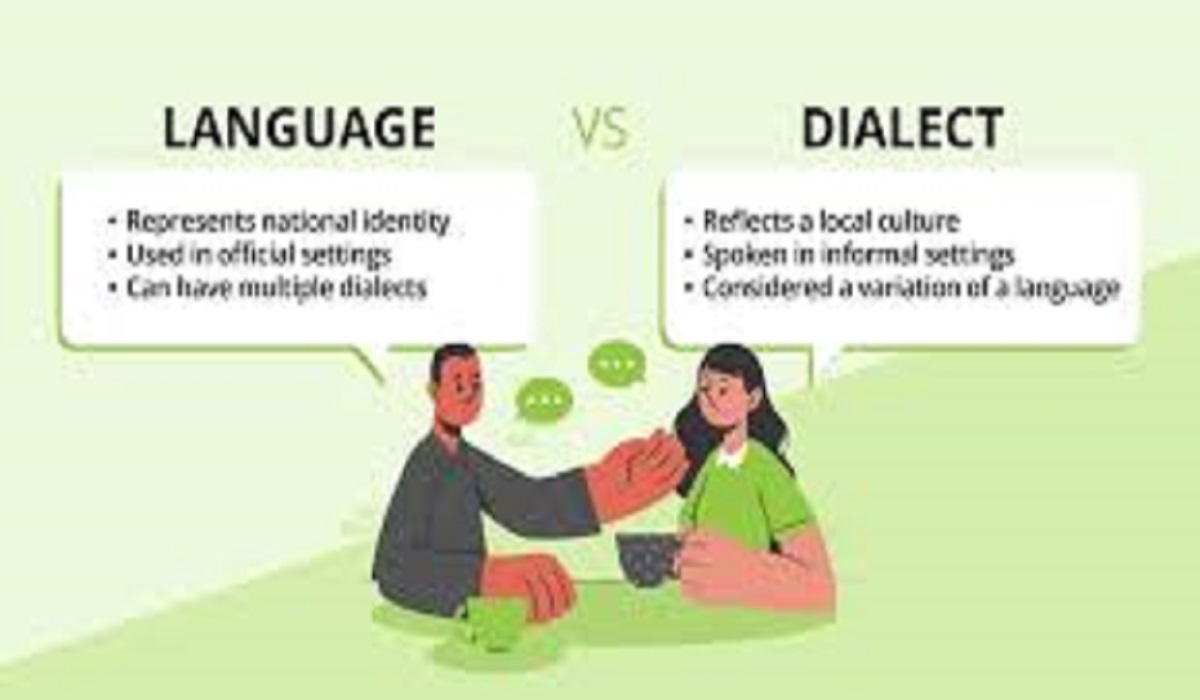
Dialect vs Accent
Dialect vs Accent: Language is a dynamic and evolving system, shaped by geography, culture, and social influences. Two key aspects of linguistic variation are dialects and accents, which often confuse people due to their overlapping features. While both contribute to linguistic diversity, they serve different purposes in communication.
In this comprehensive guide, we will explore:
- The definitions of dialect and accent
- Key differences with examples
- How they develop and influence identity
- Regional and social variations
- Tips for learning and adapting to them
Whether you’re a language enthusiast, educator, or traveler, understanding dialects and accents will enhance your communication skills.
What is a Dialect?
Definition
A dialect refers to a variation of a language that includes differences in vocabulary, grammar, and pronunciation, specific to a particular region or social group.
Characteristics
- Unique vocabulary (e.g., “lift” vs. “elevator” in British and American English)
- Grammar variations (e.g., double negatives in African American Vernacular English)
- Pronunciation differences (e.g., “water” pronounced as “wa’er” in Cockney English)
Examples of Dialects
- American English vs. British English
- Vocabulary: “Truck” (US) vs. “Lorry” (UK)
- Spelling: “Color” (US) vs. “Colour” (UK)
- Australian English
- Unique slang: “Arvo” (afternoon), “Barbie” (barbecue)
- Southern American English
- Grammar: “Y’all” (you all)
What is an Accent?
Definition
An accent refers to the distinct way people pronounce words, influenced by their native language or regional speech patterns.
Characteristics
- Focuses on pronunciation only
- Can be native or foreign (e.g., a French accent in English)
- Does not involve grammar or vocabulary changes
Examples of Accents
- British Received Pronunciation (RP) – The “standard” British accent.
- Southern American Accent – Drawled vowels (e.g., “time” sounds like “tahm”).
- Indian English Accent – Influence of native languages on English pronunciation.
Key Differences Between Dialect and Accent
| Feature | Dialect | Accent |
|---|---|---|
| Definition | Includes vocabulary, grammar, and pronunciation differences | Only pronunciation differences |
| Scope | Broader linguistic variation | Narrower (sound only) |
| Example | British vs. American English | French accent in English |
How Dialects and Accents Develop?
- Geographical Isolation – Communities develop unique speech patterns.
- Social Groups – Different classes or ethnic groups may have distinct dialects.
- Historical Influences – Colonization and migration shape language evolution.
Regional and Social Variations
- Regional Dialects: Scottish English, Texan English
- Social Dialects: African American Vernacular English (AAVE)
Impact on Communication and Identity
- Professional Settings – Some accents face bias.
- Cultural Identity – Dialects reflect heritage.
Famous Examples of Dialects and Accents Worldwide
- Cockney (London) – Rhyming slang.
- Jamaican Patois – Mix of English and African languages.
How to Learn and Adapt to Different Dialects and Accents?
- Listen to native speakers.
- Practice pronunciation.
- Use language-learning apps.
FAQs About Dialects and Accents
1. Can a dialect become a separate language?
Yes, over time, dialects can evolve into distinct languages (e.g., Latin into Romance languages).
2. Why do some accents sound “stronger” than others?
This depends on how much the pronunciation differs from the listener’s native speech.
3. Are dialects incorrect forms of language?
No, they are valid linguistic variations.
4. How can I reduce my accent?
Practice pronunciation, work with a speech coach, and mimic native speakers.
5. Do animals have dialects?
Some studies suggest regional variations in animal communication (e.g., bird calls).
Conclusion
Understanding dialects vs. accents enhances communication and cultural appreciation. While accents focus on pronunciation, dialects encompass broader linguistic differences. By recognizing these variations, we foster better global understanding.