
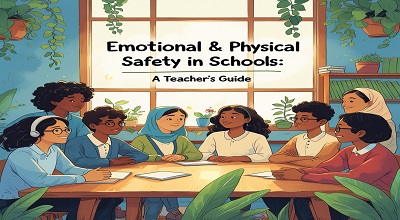
Emotional & Physical Safety in Schools
Emotional & Physical Safety in Schools: Creating a safe and supportive learning environment is essential for student success. When students feel safe, they are more likely to engage, participate, and perform well academically. In this comprehensive guide, we will explore the latest strategies educators can use to foster safety—both emotionally and physically—in classrooms and schools.
From addressing bullying and mental health concerns to implementing trauma-informed practices, this article will provide actionable insights for teachers, administrators, and school staff.
Why Student Safety Matters?
A safe learning environment directly impacts:
- Academic Performance – Students learn better when they feel secure.
- Emotional Well-being – Reduced anxiety and stress lead to healthier social interactions.
- Behavioral Outcomes – Fewer disciplinary issues arise in supportive settings.
Research shows that schools prioritizing safety see higher attendance rates, improved test scores, and stronger teacher-student relationships.
Latest Strategies to Make Students Feel Safe
1. Building a Positive School Climate
A welcoming school culture sets the foundation for safety. Strategies include:
- Morning Meetings – Encouraging open discussions.
- Positive Reinforcement – Recognizing good behavior.
- Inclusive Policies – Ensuring all students feel represented.
2. Addressing Bullying and Cyberbullying
Bullying remains a major concern. Schools should:
- Implement anti-bullying programs.
- Train staff to recognize early warning signs.
- Encourage bystander intervention.
3. Mental Health Support
With rising anxiety and depression among students, schools must:
- Provide counseling services.
- Train teachers in mental health first aid.
- Create safe spaces for students to express emotions.
4. Trauma-Informed Teaching
Many students experience trauma outside school. Educators can:
- Use calm communication techniques.
- Avoid punitive discipline for trauma-related behaviors.
- Offer flexible learning options.
5. Physical Safety Measures
Ensuring a secure campus involves:
- Controlled access points.
- Emergency preparedness drills.
- Clear anti-violence policies.
6. Encouraging Student Voice
Students feel safer when they have a say. Methods include:
- Student councils.
- Anonymous feedback systems.
- Peer mentoring programs.
7. Teacher Training and Support
Educators need resources to maintain safe classrooms. Schools should offer:
- Professional development on safety protocols.
- Stress management workshops for teachers.
- Collaborative problem-solving teams.
Case Studies: Schools That Succeeded
Example 1: A School That Reduced Bullying by 50%
By implementing peer mediation programs and social-emotional learning (SEL), one school saw a dramatic drop in bullying reports.
Example 2: Trauma-Informed Practices in Urban Schools
A district in Chicago trained all staff in trauma-sensitive approaches, leading to fewer suspensions and higher engagement.
FAQs About Student Safety
1. How can teachers identify a student who doesn’t feel safe?
Look for signs like withdrawal, frequent absences, or sudden behavioral changes. Open communication helps.
2. What role do parents play in student safety?
Parents should reinforce safety messages at home and report concerns to school staff.
3. Are zero-tolerance policies effective?
Research suggests restorative justice works better than harsh punishments for long-term safety.
4. How can schools support LGBTQ+ students?
By implementing inclusive curricula, anti-discrimination policies, and safe zones.
5. What’s the biggest mistake schools make regarding safety?
Focusing only on physical security while neglecting emotional and psychological safety.
Conclusion
Making students feel safe requires a holistic approach—combining emotional support, physical security, and inclusive policies. By adopting the latest strategies, educators can create environments where every student thrives.