
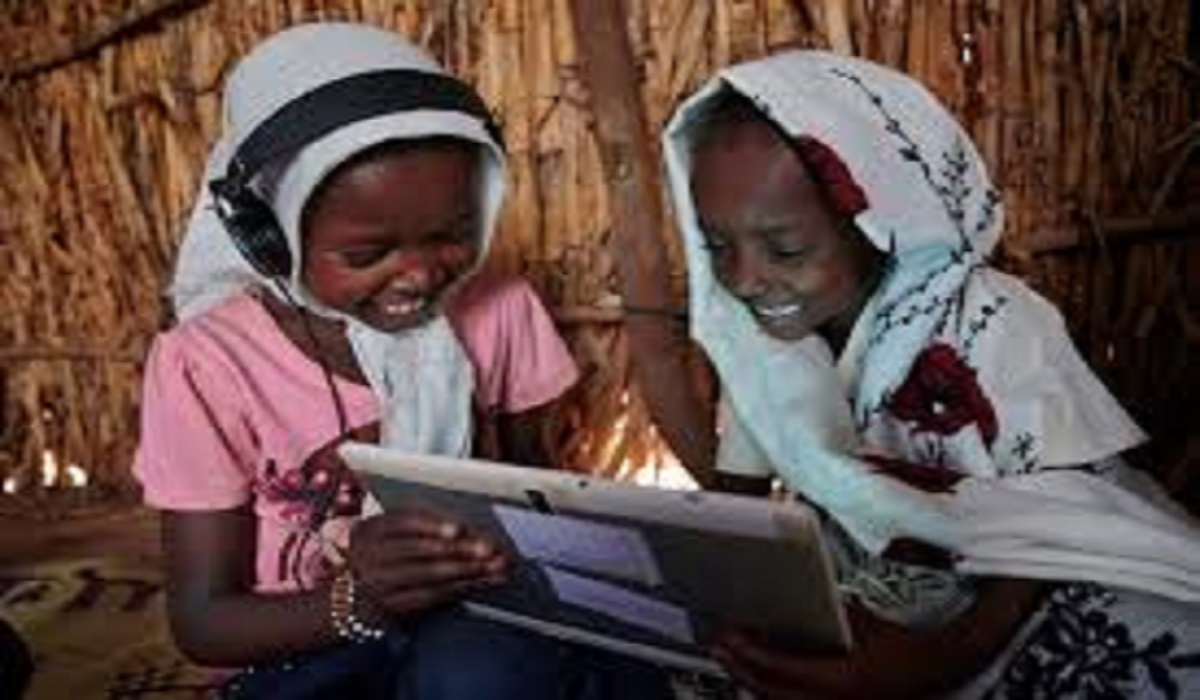
Help the UN Improve Pre-Primary and Secondary Education
Help the UN Improve Pre-Primary and Secondary Education: Education is the foundation of sustainable development, and the United Nations (UN) is actively seeking skilled professionals, educators, and advocates to improve pre-primary and secondary education globally. By contributing your skills, you can help shape policies, develop innovative teaching methods, and ensure equitable access to quality education for children everywhere.
This web explores how you can get involved, the UN’s key initiatives, and the impact of your contributions. Whether you’re a teacher, researcher, policymaker, or education enthusiast, your expertise can make a difference.
Why Pre-Primary and Secondary Education Matter
1. The Importance of Early Childhood Education
Pre-primary education (ages 3-6) is crucial for cognitive, social, and emotional development. Studies show that children who attend quality early education programs perform better in school and have higher future earning potential.
2. Challenges in Secondary Education
Many adolescents, especially in developing nations, face barriers such as:
- Lack of access to schools
- Gender disparities
- Poor infrastructure
- Teacher shortages
The UN aims to address these challenges through global partnerships and innovative solutions.
How the UN is Improving Education Worldwide?
1. Sustainable Development Goal 4 (SDG 4)
The UN’s SDG 4 focuses on “Quality Education for All” by 2030. Key targets include:
- Ensuring free primary and secondary education
- Promoting lifelong learning opportunities
- Increasing the supply of qualified teachers
2. Key UN Programs & Initiatives
- UNICEF’s Education Strategy – Focuses on equity, learning outcomes, and emergency education.
- Global Partnership for Education (GPE) – Funds education programs in low-income countries.
- UNESCO’s Teacher Training Initiatives – Enhances educator skills worldwide.
How You Can Contribute Your Skills?
1. For Educators & Teachers
- Volunteer with UN-affiliated programs
- Share best practices in pedagogy
- Train teachers in underserved regions
2. For Researchers & Policymakers
- Conduct studies on education gaps
- Advise on curriculum development
- Advocate for policy reforms
3. For Technologists & Innovators
- Develop EdTech solutions for remote learning
- Create accessible educational content
- Support digital literacy programs
4. For Advocates & Volunteers
- Raise awareness about global education issues
- Fundraise for education projects
- Mentor students in disadvantaged areas
Success Stories: Impact of Global Contributions
- Case Study 1: A volunteer teacher in Kenya helped implement a digital learning program, improving literacy rates by 30%.
- Case Study 2: A researcher’s policy recommendations led to increased government funding for pre-primary schools in Nepal.
How to Get Involved?
- Explore UN Volunteer Opportunities – Visit UN Volunteers
- Apply for Consultancy Roles – Check UN Careers
- Partner with NGOs – Collaborate with organizations like Save the Children or Room to Read.
- Donate or Fundraise – Support education funds like GPE or UNICEF.
FAQs
1. What qualifications do I need to contribute?
The UN seeks diverse expertise—teachers, researchers, tech experts, and advocates. Formal education experience is beneficial but not always required.
2. Can I volunteer remotely?
Yes! Many UN initiatives, especially in EdTech and policy research, offer remote opportunities.
3. How does the UN ensure education equity?
Through targeted programs for marginalized groups, gender-sensitive policies, and partnerships with local governments.
4. Are there paid roles available?
Yes, the UN hires education specialists, consultants, and program managers—check their official careers portal.
5. How can I support if I’m not an educator?
You can donate, advocate, or help with logistics, tech, and communications for education projects.
Conclusion
The UN’s mission to improve pre-primary and secondary education requires collective effort. By contributing your skills, you can help build a brighter future for millions of children. Whether through teaching, research, advocacy, or innovation, your expertise matters.