
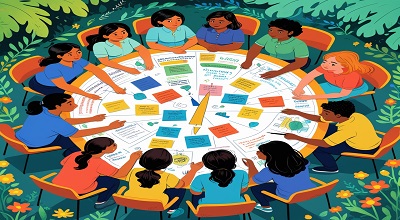
Holistic Educator Development
Holistic Educator Development: Educators play a pivotal role in shaping the future of society. However, traditional professional development often focuses narrowly on subject expertise, neglecting emotional, social, and mental well-being. Holistic educator development addresses this gap by integrating personal growth, emotional intelligence, and pedagogical skills to create well-rounded teachers.
What is Holistic Educator Development?
Holistic educator development is an approach that nurtures teachers’ professional, emotional, social, and physical well-being. Unlike conventional training, which emphasizes only academic skills, holistic development ensures educators are equipped to handle classroom challenges while maintaining personal balance.
Why is Holistic Development Important?
- Reduces teacher burnout
- Enhances classroom engagement
- Improves student-teacher relationships
- Encourages lifelong learning
Key Components of Holistic Educator Development
Professional Growth
- Continuous learning through workshops, certifications, and peer collaboration.
- Staying updated with the latest teaching methodologies.
Emotional and Mental Well-being
- Stress management techniques (mindfulness, meditation).
- Counseling and support systems for educators.
Social and Collaborative Learning
- Building professional learning communities (PLCs).
- Peer mentoring and coaching.
Physical Health
- Encouraging work-life balance.
- Promoting healthy habits (exercise, nutrition).
Latest Trends in Educator Development
Micro-Credentials and Digital Badges
Teachers can now earn micro-credentials for specific skills, allowing personalized professional growth.
Gamified Learning for Teachers
Platforms use gamification to make professional development engaging and interactive.
AI-Powered Coaching
AI tools provide personalized feedback to educators, helping them refine their teaching strategies.
Social-Emotional Learning (SEL) for Teachers
Schools are incorporating SEL programs to help educators manage stress and improve classroom dynamics.
Hybrid and Blended PD Models
Combining online and in-person training for flexibility and accessibility.
Strategies for Implementing Holistic Development
Personalized Professional Development Plans
- Self-assessment tools to identify growth areas.
- Customized learning pathways.
Mentorship Programs
- Pairing novice teachers with experienced mentors.
- Structured feedback mechanisms.
Wellness Programs for Educators
- Yoga and meditation sessions.
- Mental health workshops.
Reflective Teaching Practices
- Journaling and self-reflection techniques.
- Peer observation and feedback.
The Role of Technology in Educator Development
Online Learning Platforms
- Coursera, edX, and TeacherEducator.com offer specialized courses.
Virtual Reality (VR) Training
- Simulated classroom environments for practice.
Data-riven Professional Development
- Using analytics to track teacher progress.
Challenges and Solutions
Lack of Time
- Solution: Micro-learning modules (5-10 minute sessions).
Resistance to Change
- Solution: Incentivizing participation in PD programs.
Budget Constraints
- Solution: Free or low-cost online resources.
Free Download: Upin Run Jungle Adventure Mod APK
Case Studies and Success Stories
Find’s Holistic Teacher Training Model
- Focus on well-being and autonomy.
Singapore’s Teacher Growth Model
- Structured career pathways with continuous learning.
A U.S. School District’s Wellness Initiative
- Reduced burnout by 30% through mindfulness programs.
Future of Holistic Educator Development
- Increased use of AI and VR in training.
- Greater emphasis on mental health support.
- Global collaboration among educators.
Conclusion
Holistic educator development is no longer optional—it’s essential for creating resilient, effective teachers. By integrating professional, emotional, and social growth, schools can foster a thriving educational ecosystem.
For more insights, visit TeacherEducator.com.
FAQs
Q1. What is the difference between traditional and holistic educator development?
Traditional PD focuses on skills, while holistic PD includes emotional and social growth.
Q2. How can schools implement holistic development on a budget?
Use free online resources, peer mentoring, and wellness workshops.
Q3. Can technology replace in-person teacher training?
No, but it can enhance accessibility and personalization.
More Here: AI-Powered Cyber Threats