
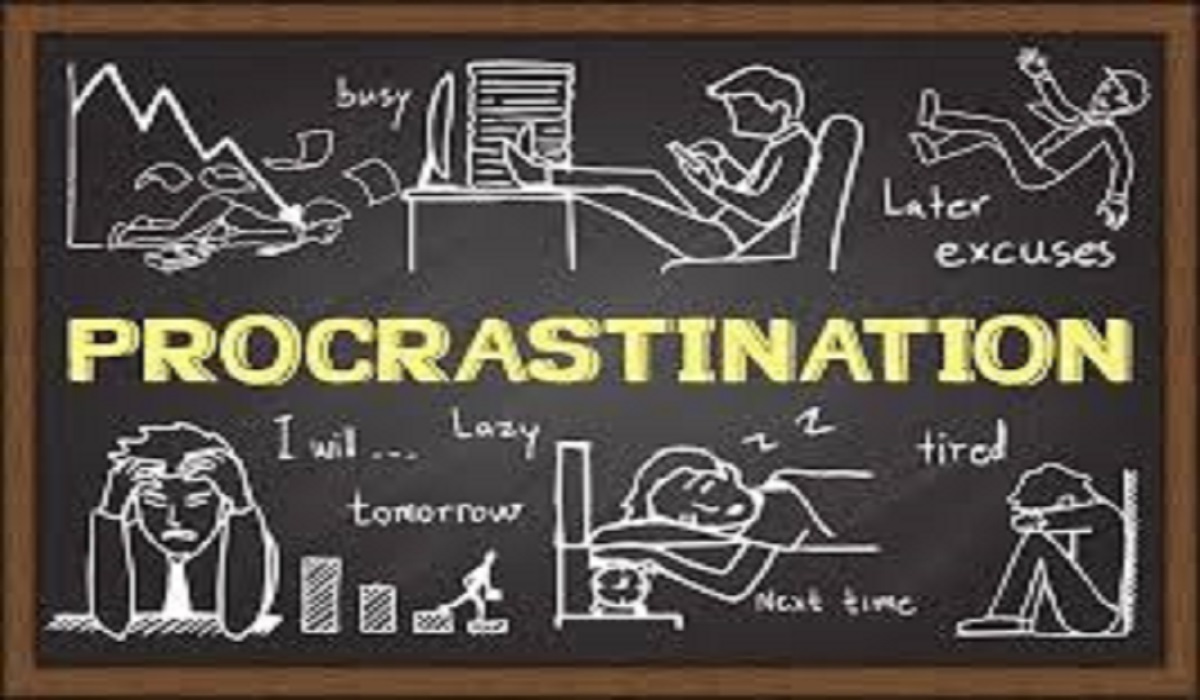
How to Study When You Feel Like Procrastinating
How to Study When You Feel Like Procrastinating: Procrastination is a common challenge for students, professionals, and lifelong learners. Whether you’re preparing for an exam, working on a project, or trying to acquire a new skill, the temptation to delay tasks can be overwhelming. However, overcoming procrastination is possible with the right strategies.
In this comprehensive guide, we’ll explore proven techniques to help you study effectively even when you feel like procrastinating. From mindset shifts to productivity hacks, you’ll discover actionable tips to stay focused and motivated.
Understanding Procrastination
Why Do We Procrastinate?
Procrastination isn’t just about laziness—it’s often linked to fear, perfectionism, or lack of motivation. Common reasons include:
- Fear of failure or success
- Overwhelm from large tasks
- Lack of clear deadlines
- Preference for instant gratification
The Psychology Behind Procrastination
Studies show that procrastination is linked to the brain’s prefrontal cortex (responsible for self-control) and the limbic system (which seeks immediate rewards). When the limbic system overrides logic, procrastination happens.
Common Excuses for Procrastinating
- “I work better under pressure.”
- “I don’t have enough time right now.”
- “I’ll start tomorrow.”
Recognizing these excuses helps you combat them effectively.
Mindset Shifts to Overcome Procrastination
Adopting a Growth Mindset
Instead of thinking, “I’m bad at this,” shift to “I can improve with effort.” A growth mindset helps reduce anxiety and boosts productivity.
Reframing Your Study Goals
Instead of saying, “I have to study for 3 hours,” try “I’ll study for 25 minutes and take a break.” Smaller goals feel less daunting.
The 2-Minute Rule to Get Started
If a task feels overwhelming, commit to just two minutes of work. Often, starting is the hardest part, and momentum will carry you forward.
Effective Study Techniques for Procrastinators
The Pomodoro Technique
- Study for 25 minutes, then take a 5-minute break.
- After four cycles, take a longer break (15-30 minutes).
- This keeps focus sharp and prevents burnout.
Active Recall & Spaced Repetition
- Instead of passive reading, test yourself on the material.
- Use flashcards or self-quizzing to reinforce memory.
- Review notes at increasing intervals (spaced repetition).
The Feynman Technique for Better Understanding
- Teach the concept in simple terms.
- Identify gaps in your understanding.
- Simplify further and review.
This method ensures deep comprehension.
Creating a Productive Study Environment
Eliminating Distractions
- Turn off notifications.
- Use apps like Forest or Focus@Will to stay on track.
Setting Up a Dedicated Study Space
A clutter-free, well-lit area signals your brain it’s time to focus.
Using Technology Wisely
- Tools like Notion, Anki, or Quizlet enhance productivity.
- Block distracting sites with Cold Turkey or Freedom.
Motivational Strategies to Keep Going
Reward Systems & Gamification
- Treat yourself after completing tasks (e.g., a snack, short walk).
- Use apps like Habitica to turn studying into a game.
Accountability Partners & Study Groups
Studying with others keeps you accountable and makes learning more engaging.
Visualization & Affirmations
Imagine yourself succeeding—this boosts motivation and reduces procrastination.
Long-Term Habits to Prevent Procrastination
Time Management & Scheduling
- Use the Eisenhower Matrix to prioritize tasks.
- Plan study sessions in advance.
Breaking Tasks into Smaller Steps
Instead of *“Write a 10-page paper,”* break it into:
- Research (30 mins)
- Outline (20 mins)
- Write intro (25 mins)
Developing Consistency
Build a daily study habit, even if it’s just 15 minutes. Consistency beats cramming.
FAQs About Studying & Procrastination
1. Why do I procrastinate even when I know I should study?
Procrastination is often an emotional response to stress or fear. Addressing the root cause (e.g., fear of failure) helps.
2. Is multitasking effective for studying?
No, multitasking reduces focus and retention. Stick to single-tasking for better results.
3. How can I stop distractions while studying?
- Use website blockers.
- Study in a quiet space.
- Put your phone on airplane mode.
4. What if I still can’t focus after trying these tips?
You may need a short break, physical activity, or a change of environment. Sometimes, fatigue is the issue.
5. Can procrastination ever be beneficial?
Occasionally, procrastination leads to creative insights, but chronic delays harm productivity.
Conclusion
Overcoming procrastination is a skill that improves with practice. By applying these strategies—mindset shifts, effective study techniques, and motivational tools—you can train yourself to study even when motivation is low.