
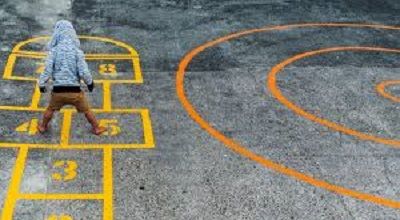
Need and Importance of Physical Education
Need and Importance of Physical Education: Physical education is crucial for several reasons, offering a wide range of benefits to individuals and society as a whole. Physical education (PE) is pivotal in an individual’s overall development. Encompassing not just physical well-being but also mental and emotional growth. It involves a wide range of activities designed to enhance physical fitness, motor skills, and overall health.
Here are some of the key reasons why physical education is important
- Promotes Physical Health: Regular physical activity helps build and maintain healthy bones, muscles, and joints. It can help control weight, reduce fat, and prevent obesity. Physical education also decreases the risk of developing conditions such as heart disease, diabetes, and high blood pressure.
- Improves Mental Health: Physical activity stimulates various brain chemicals that may leave you feeling happier and more relaxed. It can also help reduce stress, alleviate anxiety, and boost self-esteem.
- Enhances Academic Performance: Research has shown that physically active students tend to perform better academically. Physical activity can improve concentration, memory, and classroom behavior, leading to better academic performance.
- Teaches Discipline and Cooperation: Physical education teaches students to set and strive for personal and team goals. It promotes discipline, determination, teamwork, and sportsmanship.
More here…
- Develops Motor Skills: It helps in the development of fine and gross motor skills, which are critical for coordination, reaction time, and overall physical agility.
- Encourages a Lifelong Healthy Lifestyle: Physical education can instill a love of movement that lasts a lifetime. Encouraging an active lifestyle from a young age can lead to a healthier population.
- Social Benefits: It provides opportunities for social interaction, helping students build social skills and make friends. Inclusive physical activities can also foster teamwork and empathy among diverse groups of students.
- Prevents Sedentary Lifestyle Issues: In an era where digital devices dominate, physical education is a vital counterbalance to sedentary lifestyles. It encourages physical activity and helps students understand the importance of staying active.
Final Conclusion
In conclusion, physical education is not merely a subject in school but a crucial aspect of holistic education. It contributes to the physical, mental, and emotional well-being of individuals, laying the foundation for a healthy and fulfilling life.
Physical education plays a pivotal role not only in the physical health of students but also in their mental, emotional, and social well-being. It is an integral part of the educational curriculum and is essential for the holistic development of individuals.