
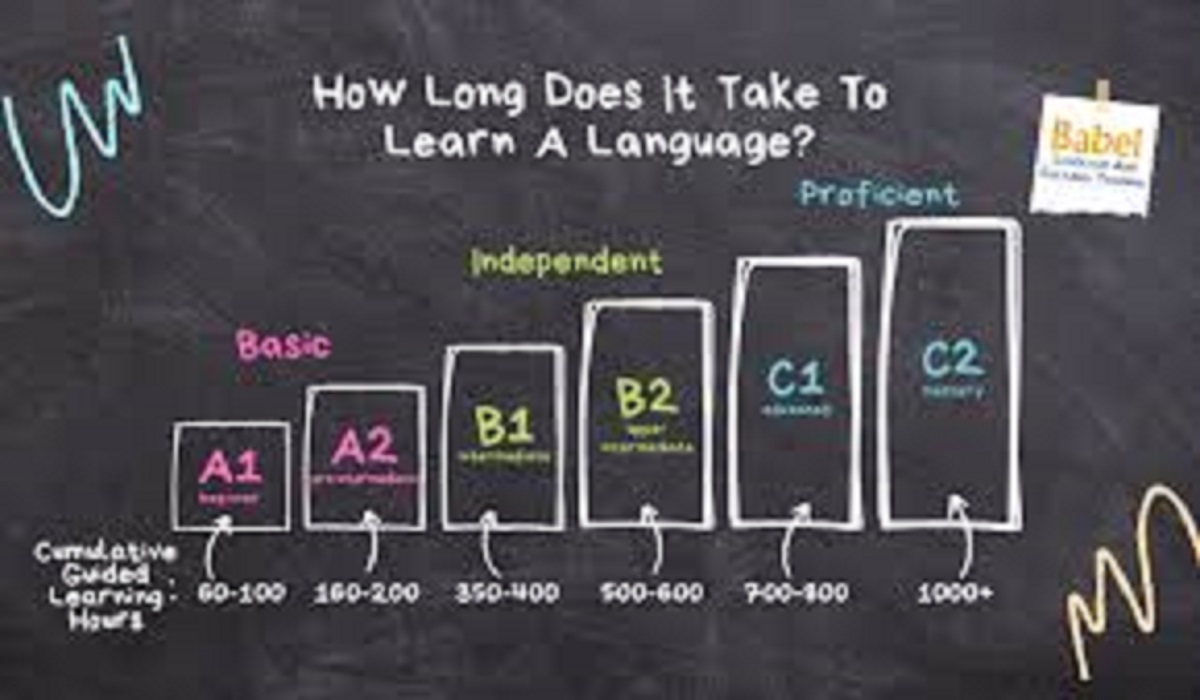
Real Timeline for Learning a New Language
Real Timeline for Learning a New Language: Learning a new language is an exciting yet challenging journey. Many people wonder, “How long will it take to become fluent?” The answer depends on various factors, including the language’s difficulty, your native tongue, study methods, and daily practice.
In this comprehensive guide, we’ll break down the real timeline for learning a new language, backed by research, expert opinions, and real-life examples. Whether you’re learning Spanish, Mandarin, or French, this article will help you set realistic expectations and optimize your learning process.
Factors That Influence Language Learning Speed
Not everyone learns at the same pace. Here are key factors that determine how quickly you’ll master a new language:
A. Your Native Language
- If your native language shares roots with your target language (e.g., Spanish & Italian), learning is faster.
- Example: An English speaker learns Dutch faster than Japanese.
B. Time Invested Daily
- The Foreign Service Institute (FSI) states that 600-750 hours are needed for “easy” languages.
- Studying 1 hour/day vs. 3 hours/day makes a huge difference.
C. Learning Methods
- Immersion (living abroad) speeds up fluency.
- Apps (Duolingo, Babbel) help but aren’t enough alone.
D. Motivation & Consistency
- Passionate learners progress faster than those who study sporadically.
Read More: Real Earning
The FSI Language Difficulty Rankings
The U.S. Foreign Service Institute (FSI) classifies languages into three categories based on difficulty for English speakers:
| Category | Languages | Estimated Learning Time |
|---|---|---|
| Category I (Easy) | Spanish, French, Italian, Portuguese | 600-750 hours (6 months intense study) |
| Category II (Medium) | German, Indonesian, Swahili | 900 hours (9-12 months) |
| Category III (Hard) | Arabic, Mandarin, Japanese, Korean | 2,200+ hours (2+ years) |
Estimated Timelines for Different Languages
A. Easy Languages (6-12 Months)
- Example: Spanish
- Basic fluency (A2): 3-6 months
- Conversational (B1): 6-9 months
- Fluent (C1): 1-1.5 years
B. Medium-Difficulty Languages (1-2 Years)
- Example: German
- Basic fluency (A2): 6-9 months
- Conversational (B2): 1-1.5 years
- Fluent (C1): 2 years
C. Hard Languages (2-4+ Years)
- Example: Mandarin Chinese
- Basic fluency (HSK 3): 1-2 years
- Conversational (HSK 4-5): 2-3 years
- Fluent (HSK 6): 4+ years
Stages of Language Learning (Beginner to Fluent)
| Stage | CEFR Level | Skills Acquired | Timeframe |
|---|---|---|---|
| Beginner | A1-A2 | Basic phrases, greetings | 1-6 months |
| Intermediate | B1-B2 | Conversations, reading | 6-18 months |
| Advanced | C1-C2 | Fluency, academic proficiency | 2+ years |
Effective Strategies to Speed Up Learning
✅ Immersion: Watch movies, listen to podcasts.
✅ Spaced Repetition: Use Anki for vocabulary.
✅ Conversation Practice: Speak with natives (iTalki, Tandem).
✅ Consistency: Daily practice beats cramming.
Real-Life Examples & Success Stories
- Case Study 1: “How I Learned Spanish in 8 Months with Daily Practice”
- Case Study 2: “From Zero to HSK 4 Mandarin in 2 Years”
Common Mistakes That Slow Down Progress
❌ Only using apps (Duolingo alone won’t make you fluent).
❌ Fear of speaking (you need real conversations).
❌ Inconsistent study habits (practice daily!).
FAQs About Language Learning Timelines
Q1: Can I learn a language in 3 months?
A: For easy languages (Spanish, French), basic fluency (A2) is possible with intense study (3-5 hours/day). Full fluency takes longer.
Q2: What’s the fastest way to learn a language?
A: Immersion + speaking practice (living abroad or talking with natives daily).
Q3: How many words do I need to be fluent?
A: 3,000-5,000 words for conversational fluency (B2 level).
Q4: Is it harder to learn a language as an adult?
A: Adults learn differently (slower pronunciation but better grammar understanding). Consistency matters more than age.
Q5: Can I become fluent without living abroad?
A: Yes! Online tutors, media immersion, and conversation clubs can replicate immersion.
Conclusion
Learning a language takes time, but with the right methods, consistency, and realistic goals, fluency is achievable. Whether you’re aiming for basic Spanish in 6 months or advanced Mandarin in 4 years, your effort determines your success.