
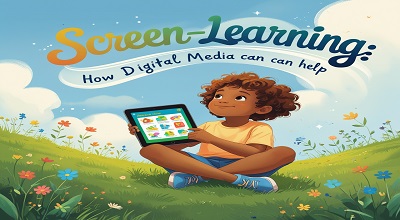
Screen-Free Learning
Screen-Free Learning: In today’s digital age, screens dominate education, entertainment, and communication. While digital media offers numerous benefits, excessive screen time can negatively impact children’s cognitive development, attention spans, and physical health. Surprisingly, digital media itself can be a powerful tool to encourage screen-free learning. This blog explores innovative ways to leverage digital platforms to promote offline, hands-on educational experiences.
The Paradox of Digital Media in Screen-Free Learning
Why Reduce Screen Time?
Research shows that excessive screen exposure can lead to:
- Reduced attention spans
- Sleep disturbances
- Lower social interaction skills
- Increased risk of digital eye strain
How Digital Media Can Help
Instead of eliminating digital tools entirely, educators and parents can use them strategically to:
- Curate high-quality offline learning resources
- Provide guidance for hands-on activities
- Encourage real-world exploration
Strategies to Use Digital Media for Screen-Free Learning
1. Digital Platforms for Offline Activity Ideas
Websites like Pinterest, Teachers Pay Teachers, and educational blogs offer printable worksheets, DIY project ideas, and lesson plans that require no screens.
2. Podcasts and Audiobooks for Imagination Building
Listening to stories or educational podcasts stimulates creativity without visual screens. Platforms like Audible, Spotify, and BBC Learning provide rich auditory content.
3. Online Workshops for Hands-On Learning
YouTube and Zoom sessions can guide children in crafting, science experiments, or cooking, which they then execute offline.
4. Apps That Encourage Outdoor Exploration
Apps like iNaturalist and Google Earth prompt kids to explore nature, identify plants, and map their surroundings—bridging digital guidance with real-world interaction.
5. Parent & Educator Communities for Offline Engagement
Facebook groups, Reddit forums, and newsletters share screen-free challenges, book recommendations, and activity swaps among families and schools.
Case Studies: Success Stories
1. A School’s Switch to Hybrid Learning
A primary school in Finland reduced screen time by 40% by integrating digital planning with offline project-based learning.
2. Parent-Led Screen-Free Challenges
Families using #ScreenFreeWeek reported improved child engagement in reading and outdoor play after following digital prompts for activities.
Challenges and Solutions
Balancing Digital and Non-Digital Learning
- Challenge: Over-reliance on digital tools.
- Solution: Set clear boundaries—use digital media for planning, not execution.
Engaging Reluctant Learners
- Challenge: Kids accustomed to screens may resist offline tasks.
- Solution: Gamify learning with reward charts for completing screen-free activities.
Future Trends in Screen-Free Learning
- AI-generated offline lesson plans
- VR-guided real-world exploration (e.g., virtual museum tours leading to physical visits)
- Smart home devices that suggest non-screen activities
Conclusion
Digital media, when used mindfully, can be a bridge rather than a barrier to screen-free learning. By leveraging online tools to facilitate offline experiences, educators and parents can foster a balanced, engaging, and healthy learning environment.