
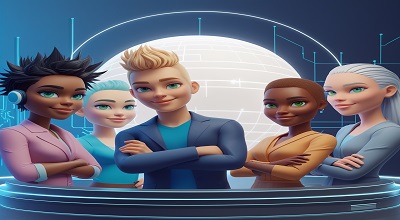
Virtual Coaching Avatars
Virtual Coaching Avatars:: The digital education landscape is evolving rapidly, and one of the most exciting advancements is the rise of virtual coaching avatar. These AI-driven digital mentors are transforming how students and professionals learn, offering personalized guidance, interactive training, and 24/7 accessibility.
At TeacherEducator.com, we explore cutting-edge educational technologies, and in this comprehensive guide, we’ll dive deep into the latest trends, benefits, challenges, and future of virtual coaching avatar.
What Are Virtual Coaching Avatars?
Virtual coaching avatar are AI-powered digital entities designed to simulate human-like interactions for coaching, mentoring, and teaching. They leverage natural language processing (NLP), machine learning, and emotional AI to provide real-time feedback, answer questions, and guide learners.
Key Features:
- Personalized Learning: Adapts to individual learning styles.
- Interactive Engagement: Uses voice, text, and gestures for communication.
- 24/7 Availability: Accessible anytime, anywhere.
How Do Virtual Coaching Avatars Work?
These avatars rely on advanced AI frameworks:
Core Technologies:
- Natural Language Processing (NLP): Understands and responds to user queries.
- Machine Learning (ML): Improves responses based on user interactions.
- Computer Vision: Detects facial expressions and emotions for adaptive coaching.
- Cloud Computing: Ensures seamless performance across devices.
Latest Innovations in Virtual Coaching Avatars
The field is advancing rapidly with new developments:
A. Emotionally Intelligent Avatars
- Detect user emotions via voice and facial recognition.
- Adjust coaching methods based on mood (e.g., motivational prompts for frustration).
B. Multilingual and Cross-Cultural Adaptability
- Supports multiple languages and cultural contexts.
- Useful for global e-learning platforms.
C. Gamification & Immersive Learning
- Integrates with VR/AR for interactive simulations.
- Uses gamified rewards to boost engagement.
D. Corporate Training & Upskilling
- Companies like IBM and Deloitte use AI avatars for employee training.
- Simulates real-world business scenarios.
Benefits of Using Virtual Coaching Avatars
A. Cost-Effective Training
- Reduces the need for human coaches.
- Scalable for large institutions.
B. Personalized Learning Experience
- Tailors lessons based on user progress.
- Provides instant feedback.
C. Accessibility & Inclusivity
- Helps learners with disabilities via voice and text support.
- Available in remote areas with internet access.
D. Enhanced Engagement
- Interactive dialogues keep learners motivated.
- Visual and auditory stimuli improve retention.
Challenges and Limitations
Despite their advantages, virtual coaching avatar face hurdles:
A. Lack of Human Touch
- May struggle with complex emotional support.
- Limited empathy compared to human coaches.
B. Technical Limitations
- Requires strong internet connectivity.
- AI biases can affect coaching quality.
C. Privacy Concerns
- Data Security Risks with Voice and Facial Recognition.
- Compliance with GDPR and COPPA is essential.
More Here: June Boom Week Two
Future of Virtual Coaching Avatars
The next decade will see:
- Hyper-realistic avatars with deepfake-level realism.
- Brain-computer interfaces (BCIs) for direct neural feedback.
- AI avatars in Metaverse classrooms for immersive education.
Conclusion
Virtual coaching avatars are revolutionizing education and corporate training. While challenges remain, their potential for personalized, scalable, and engaging learning is unmatched.
Download Free: Amazon Shopping APK